
A Complete Guide to Eye Cancer Surgery and Postoperative Care
Eye cancer surgery involves different procedures, such as iridectomy (removing part of the iris), iridocyclectomy (removing part of the iris and ciliary body), or sclerouvectomy (removing a choroidal tumor) to save the eye, and enucleation (complete eye removal) for extensive tumors. Other surgeries include orbital exenteration for widespread orbital tissue involvement. The chosen surgery depends on the cancer's type, size, and location. After the procedure, patients may experience swelling and bruising, and may be fitted with a prosthetic eye for reconstruction after enucleation.
Types of Eye Cancer Surgery
- The type of surgery depends on the location and extent of the cancer.
- Eye-Sparing Procedures:
- Iridectomy: Removal of a portion of the iris.
- Iridocyclectomy: Removal of part of the iris and the ciliary body.
- Sclerouvectomy/Transscleral Resection: Surgical removal of tumors from the choroid or ciliary body.
Eye Removal Procedures:
- Enucleation: The complete removal of the eyeball.
- Orbital Exenteration: A more extensive surgery removing the eyeball, surrounding muscles, and other tissues within the eye socket.
- Factors Influencing Surgical Choice
- A multidisciplinary team considers various factors to customize the treatment plan:
- Type and Grade: The specific kind of eye cancer and its aggressiveness.
- Size and Stage: The dimensions and extent of the tumor's spread.
- Tumor Location: Whether it's on the eyelid, conjunctiva, or inside the eye.
- Patient's Health: The individual's general health and any other existing conditions.
- Aftercare and Recovery
Post-Surgery Care:
Aftercare recommendations often include resting the eyes, wearing sunglasses, and using eye drops, as advised by an ophthalmologist.
Expected Symptoms:
Some swelling and bruising of the eyelids and face may occur temporarily. Cool packs can help with this, and antibiotics may be given to prevent infection.
Visual Hallucinations:
After removing an eye, some people may experience visual hallucinations, which are temporary sensations of seeing things that aren't there as the brain adjusts to the loss of vision.
Reconstruction:
Patients who undergo enucleation can be fitted with a custom-made prosthetic eye by specialized teams.
Trending Articles
-

MyoPlus Team Engages in a Knowledge Exchange Session with the Experts at Fortis Escort Heart Institute, New Delhi
09 July,2026
-

When Do Babies Start to Recognize and Remember Their Mothers After Delivery?
01 September,2025
-
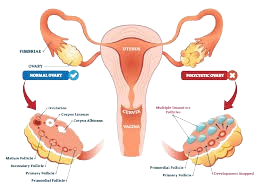
Polycystic Ovary Disorder
01 September,2025
-

PCOS: Polycystic Ovary Syndrome
01 September,2025
-
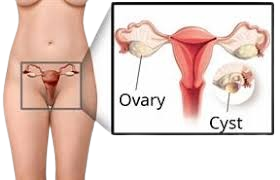
Ovary Cysts: Understanding the Condition
01 September,2025
-

Vaginal Infections: Causes and Risk Factor
01 September,2025
-

Pre-Delivery Precautions for a Smooth Birth Experience
31 August,2025
-

Post-Delivery Precautions for a Smooth Recovery
31 August,2025
-

Pre-Birth Movement Precautions for Women
31 August,2025
-

Rest and Recovery After Giving Birth
31 August,2025
Book Appointment
Top Doctors





Dr. Gaurav Rathore
Consultant
Orthopedic and Joint Replacement Surgeons
 Book Appointment
View Profile
Book Appointment
View Profile