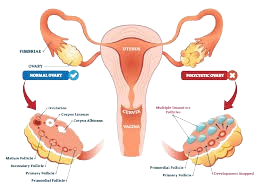
Polycystic Ovary Disorder
PCOD, or Polycystic Ovary Disorder, is a hormonal disorder that affects women of reproductive age. It's a common condition that can impact fertility, menstrual cycles, and overall health.
Causes and Risk Factors
- Hormonal imbalance: PCOD is characterized by high levels of androgens (male hormones) and insulin resistance.
- Genetics: Family history can play a role in the development of PCOD.
- Insulin resistance: Insulin resistance, often associated with obesity, can contribute to PCOD.
Symptoms
- Irregular menstrual cycles: Infrequent or prolonged menstrual periods.
- Cysts on the ovaries: Fluid-filled sacs on the ovaries, which can be detected by ultrasound.
- Hirsutism: Excessive hair growth on the face, chest, and back.
- Acne: Skin breakouts and acne.
- Weight gain: Weight gain, particularly in the abdominal area.
Treatment and Management
- Hormonal birth control: Birth control pills can help regulate menstrual cycles and reduce androgen levels.
- Fertility medications: Medications like clomiphene citrate can help stimulate ovulation.
- Lifestyle changes: Maintaining a healthy weight, following a balanced diet, and exercising regularly can help manage symptoms.
- Medications for insulin resistance: Medications like metformin can help improve insulin sensitivity.
Complications
- Infertility: PCOD can make it difficult to conceive.
- Metabolic complications: Insulin resistance and obesity can increase the risk of developing type 2 diabetes and cardiovascular disease.
- Mental health: PCOD can impact mental health, leading to anxiety, depression, and low self-esteem.
Importance of Diagnosis and Treatment
Early diagnosis and treatment can help manage symptoms, improve fertility, and reduce the risk of long-term complications. If you're experiencing symptoms or concerns, consult with a healthcare provider for personalized guidance and care.
Trending Articles
-

MyoPlus Team Engages in a Knowledge Exchange Session with the Experts at Fortis Escort Heart Institute, New Delhi
09 July,2026
-

When Do Babies Start to Recognize and Remember Their Mothers After Delivery?
01 September,2025
-
Polycystic Ovary Disorder
01 September,2025
-
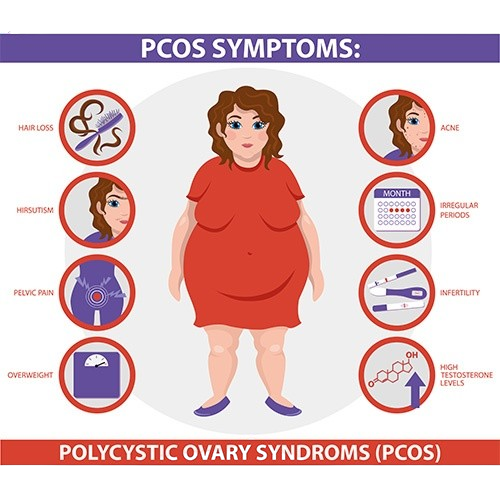
PCOS: Polycystic Ovary Syndrome
01 September,2025
-
Ovary Cysts: Understanding the Condition
01 September,2025
-
Vaginal Infections: Causes and Risk Factor
01 September,2025
-

Pre-Delivery Precautions for a Smooth Birth Experience
31 August,2025
-

Post-Delivery Precautions for a Smooth Recovery
31 August,2025
-

Pre-Birth Movement Precautions for Women
31 August,2025
-

Rest and Recovery After Giving Birth
31 August,2025
Book Appointment
Top Doctors





Dr. Gaurav Rathore
Consultant
Orthopedic and Joint Replacement Surgeons
 Book Appointment
View Profile
Book Appointment
View Profile