

Arm Lift Surgery Treatment Cost in India
Arm lift, or brachioplasty is a surgical procedure aimed at tightening and reshaping the upper arms by removing excess skin and fat. Commonly sought after by individuals experiencing sagging or loose skin due to ageing, weight loss, or genetics, arm lift surgery can restore a more toned and youthful appearance to the arms. The procedure involves making incisions along the inner or back of the arms, followed by the removal of excess tissue and skin tightening. Arm lift surgery can enhance both aesthetic appearance and self-confidence, providing long-lasting results for those seeking improved arm contours. Why Do You Need an Arm Lift? Arm lift surgery, also known as brachioplasty, is sought after for various reasons: Excess Skin: Significant weight loss, ageing, or genetics can lead to excess skin on the upper arms, causing sagging or drooping. Arm lift surgery removes this excess skin, resulting in a firmer and more toned appearance. Improved Contour: Loose skin and excess fat on the upper arms can create a disproportiona...
 Share on WhatsApp
Details
Arm lift, or brachioplasty is a surgical procedure aimed at tightening and reshaping the upper arms by removing excess skin and fat. Commonly sought after by individuals experiencing sagging or loose skin due to ageing, weight loss, or genetics, arm lift surgery can restore a more toned and youthful appearance to the arms. The procedure involves making incisions along the inner or back of the arms, followed by the removal of excess tissue and skin tightening. Arm lift surgery can enhance both aesthetic appearance and self-confidence, providing long-lasting results for those seeking improved arm contours.
Why Do You Need an Arm Lift?
Arm lift surgery, also known as brachioplasty, is sought after for various reasons:
- Excess Skin: Significant weight loss, ageing, or genetics can lead to excess skin on the upper arms, causing sagging or drooping. Arm lift surgery removes this excess skin, resulting in a firmer and more toned appearance.
- Improved Contour: Loose skin and excess fat on the upper arms can create a disproportionate or unflattering silhouette. Arm lift surgery reshapes the arms, providing a smoother and more aesthetically pleasing contour.
- Enhanced Confidence: Many individuals feel self-conscious about the appearance of their arms, particularly when wearing sleeveless clothing. Arm lift surgery can improve self-confidence and body image by addressing concerns about arm sagging or excess skin.
- Functional Benefits: In addition to cosmetic improvements, arm lift surgery can also offer functional benefits. Removing excess skin can alleviate discomfort or irritation caused by skin folds and improve the range of motion in the arms.
- Post-Weight Loss: Individuals who have undergone significant weight loss, either through diet and exercise or bariatric surgery, often seek arm lift surgery to address excess skin that remains after weight loss.
Overall, arm lift surgery can provide both aesthetic and functional benefits, helping individuals achieve a more sculpted and proportionate appearance while enhancing self-confidence and quality of life.
Types of Arm Lift
Arm lift surgery, or brachioplasty, encompasses various techniques tailored to address specific concerns and achieve desired outcomes:
- Traditional Brachioplasty: This technique involves making an incision along the inner arm, typically from the armpit to the elbow. Excess skin and fat are removed, and the remaining tissue is tightened and reshaped to improve arm contour.
- Limited-Incision Brachioplasty: Also known as mini brachioplasty, this technique involves smaller incisions, usually confined to the armpit area or upper arm. It is suitable for individuals with less severe skin laxity and localized excess tissue.
- Extended Brachioplasty: In cases of significant excess skin, an extended brachioplasty may be performed. This technique involves longer incisions that extend onto the chest or back, allowing for more extensive tissue removal and contouring.
- Liposuction-Assisted Brachioplasty: Liposuction may be combined with traditional brachioplasty to remove excess fat and improve arm contour. This approach is suitable for individuals with excess fat but minimal skin laxity.
- Minimal-Incision or Scarless Brachioplasty: This innovative technique utilizes advanced technologies such as laser or radiofrequency energy to tighten skin and improve arm contour without visible scarring. It is suitable for individuals with mild to moderate skin laxity.
Each type of arm lift surgery offers unique benefits and considerations, and the choice of technique depends on individual anatomy, goals, and the surgeon's recommendation. Consulting with a qualified plastic surgeon is essential to determine the most suitable approach for achieving desired outcomes.
Cost Factor
Factors Affecting Cost of Arm Lift
Several factors influence the cost of arm lift surgery, including:
- Surgeon's Experience: The experience and expertise of the plastic surgeon performing the procedure can impact the cost. Surgeons with advanced skills and a strong reputation may charge higher fees.
- Surgical Facility: The type of facility where the surgery is performed, such as a hospital, surgical centre, or private clinic, can affect the overall cost. Facilities with modern amenities and accreditation may have higher fees.
- Type of Arm Lift: The specific technique used for the arm lift, such as traditional brachioplasty, limited-incision Brachioplasty, or liposuction-assisted brachioplasty, can influence the cost based on the complexity of the procedure.
- Anesthesia Fees: Anesthesia services are necessary for arm lift surgery and are typically billed separately. The type of anesthesia used and the duration of the surgery can impact anesthesia fees.
- Geographic Location: The cost of arm lift surgery can vary depending on the region or city where the procedure is performed. Urban areas or regions with higher living costs may have higher prices for surgical services.
Overall, patients should discuss all potential costs with their surgeon during the consultation process and ensure they understand the full scope of expenses involved in the procedure.
How Patients are Selected for the Arm Lift?
Patients undergoing arm lift surgery, or brachioplasty, are carefully selected based on several factors to ensure safe and satisfactory outcomes:
- Physical Examination: A comprehensive physical examination of the arms is conducted to assess the amount of excess skin and fat, skin elasticity, and overall arm contour. This evaluation helps determine the appropriateness of arm lift surgery and the most suitable surgical approach.
- Patient Goals and Expectations: Surgeons discuss patients' motivations for seeking arm lift surgery and their desired outcomes. Realistic expectations are crucial, and patients should have a clear understanding of what can be achieved through surgery.
- Medical History: Patients provide details about their medical history, including any underlying health conditions, previous surgeries, medications, or allergies. This information helps identify potential risk factors and ensures safe surgical planning.
- Skin Quality: The quality of the skin is an essential consideration in patient selection for arm lift surgery. Patients with good skin elasticity are typically better candidates for the procedure, as they are more likely to achieve optimal results with minimal scarring.
- Weight Stability: Patients are advised to achieve and maintain a stable weight before undergoing arm lift surgery. Significant fluctuations in weight can affect surgical outcomes and may necessitate additional procedures in the future.
- Psychological Evaluation: In some cases, patients may undergo a psychological evaluation to assess their mental health and emotional readiness for surgery. This evaluation helps ensure that patients have realistic expectations and are psychologically prepared for the procedure.
Overall, patient selection for arm lift surgery involves a thorough assessment of physical, psychological, and medical factors to determine candidacy and ensure the best possible outcomes. Communication between the patient and surgeon is essential to address concerns, set realistic goals, and develop a personalized treatment plan.
Diagnostic Tests and Evaluations Performed to Determine the Need for Arm Lift
Diagnostic tests and evaluations play a crucial role in determining the need for arm lift surgery, or Brachioplasty:
- Physical Examination: A comprehensive physical examination of the arms is conducted to assess the amount of excess skin and fat, skin elasticity, and overall arm contour. This evaluation helps determine the severity of sagging or drooping and whether arm lift surgery is appropriate.
- Skin Quality Assessment: The quality of the skin is assessed to determine its elasticity and ability to contract after surgery. Patients with poor skin elasticity may require additional interventions to achieve satisfactory results.
- Medical History: Patients provide details about their medical history, including any underlying health conditions, previous surgeries, medications, or allergies. This information helps identify potential risk factors and ensures safe surgical planning.
- Patient Goals and Expectations: Surgeons discuss patients' motivations for seeking arm lift surgery and their desired outcomes. Realistic expectations are crucial, and patients should have a clear understanding of what can be achieved through surgery.
- Psychological Evaluation: In some cases, patients may undergo a psychological evaluation to assess their mental health and emotional readiness for surgery. This evaluation helps ensure that patients have realistic expectations and are psychologically prepared for the procedure.
Risk
Risks and Benefits Associated with the Chosen Arm Lift
Arm lift surgery, like any surgical procedure, carries both risks and benefits that patients should consider before undergoing the operation:
1. Risks of Arm lift
- Scarring: Arm lift surgery involves incisions, which can result in visible scars. While efforts are made to minimize scarring and place incisions in inconspicuous locations, some scarring is inevitable.
- Infection: As with any surgical procedure, there is a risk of infection. Patients are typically prescribed antibiotics to reduce this risk, but infections can still occur and may require additional treatment.
- Bleeding: Excessive bleeding during or after surgery is a potential risk. Surgeons take precautions to minimize bleeding, but in rare cases, additional intervention may be necessary.
- Poor Wound Healing: Some patients may experience delayed wound healing or wound complications such as dehiscence (opening of the incision), seroma (fluid accumulation), or hematoma (blood clot).
- Nerve Damage: Arm lift surgery involves manipulating tissues near nerves, which can lead to temporary or permanent nerve damage. This may result in altered sensation or numbness in the arms.
2. Benefits of Arm Lift
- Improved Arm Contour: The primary benefit of arm lift surgery is improved arm contour, with excess skin and fat removed to create a smoother, firmer appearance.
- Enhanced Self-Confidence: Many patients experience increased self-confidence and body satisfaction following arm lift surgery, particularly if they were previously self-conscious about the appearance of their arms.
- Clothing Fit: With excess skin removed, patients may find that clothing fits more comfortably and flatteringly, allowing them to wear sleeveless or fitted garments with confidence.
- Functional Improvement: In addition to cosmetic benefits, arm lift surgery can improve functional issues such as skin irritation or discomfort caused by excess skin rubbing against clothing.
Ultimately, patients should carefully weigh the risks and benefits of arm lift surgery in consultation with their surgeon, considering their individual concerns, goals, and medical history.
Recovery and Rehabilitation Arm Lift
Recovery and rehabilitation following arm lift surgery, medically termed Brachioplasty, are crucial phases that contribute to successful outcomes and patient satisfaction. Here's a comprehensive overview of the recovery process:
- Immediate Postoperative Period: Patients are closely monitored in a recovery area immediately after surgery to ensure stability and manage any immediate discomfort or side effects. Pain medications and antibiotics may be prescribed to alleviate pain and prevent infection.
- Rest and Activity Modification: Rest is paramount during the initial recovery phase to facilitate healing and minimize discomfort. Patients are advised to refrain from lifting heavy objects or engaging in strenuous activities involving the arms for several weeks post-surgery.
- Wound Care: Proper wound care is essential to prevent infection and promote healing. Patients receive detailed instructions on cleaning and caring for surgical incisions, including changing dressings and avoiding activities that may disrupt the healing process.
- Compression Garments: Patients may be instructed to wear compression garments or sleeves on the arms to reduce swelling and support the healing tissues. These garments aid in improving blood circulation and minimizing postoperative swelling.
- Follow-up Appointments: Regular follow-up appointments with the surgeon are scheduled to monitor healing progress, assess surgical outcomes, and address any concerns or complications. These appointments allow for timely intervention and adjustments to the treatment plan if necessary.
- Gradual Resumption of Activities: As healing progresses, patients gradually reintegrate into their daily activities based on the surgeon's recommendations. This may involve a phased approach to increasing physical activity levels, returning to work, and gradually resuming arm movements and exercises.
By adhering to postoperative care instructions, attending follow-up appointments, and practising patience during the recovery period, patients can optimize their healing process and achieve the desired results from arm lift surgery.
What to Expect After an Arm Lift?
Arm lift surgery, or Brachioplasty, is a transformative procedure designed to sculpt and contour the upper arms by removing excess skin and fat. While the surgery offers significant aesthetic benefits, understanding the recovery process is essential for a successful outcome.
1. Recovery Process: After undergoing an arm lift, also known as brachioplasty, it's essential to understand the recovery process to ensure a smooth healing journey. Here's what you can expect in the aftermath of the procedure:
2. Immediate Postoperative Period:
- Upon waking from anesthesia, you may experience grogginess and discomfort, which is normal.
- Your arms will be wrapped in bandages or compression garments to minimize swelling and support the tissues.
3. Managing Discomfort:
- Pain and discomfort are common after surgery, but your surgeon will prescribe pain medication to alleviate these symptoms.
- It's crucial to follow your doctor's instructions regarding medication usage and avoid overexertion.
4. Swelling and Bruising:
- Swelling and bruising are expected in the treated area and may persist for several weeks.
- Elevating your arms and applying cold compresses can help reduce swelling and discomfort.
5. Resuming Activities:
- Initially, you'll need to avoid strenuous activities and lifting heavy objects to prevent complications.
- Light activities, such as walking, can be resumed gradually as tolerated.
6. Scar Care:
- Incisions will leave scars, but they will fade over time. Following your surgeon's advice on scar care, such as keeping the area clean and moisturized, can promote optimal healing.
7. Follow-up Appointments:
- Regular follow-up appointments with your surgeon are essential to monitor your progress and address any concerns that may arise during the recovery process.
By understanding these expectations and following your surgeon's guidance, you can achieve a smoother and more comfortable recovery after an arm lift procedure.
How is Arm Lift Performed?
Arm lift surgery, or brachioplasty, is a cosmetic procedure aimed at improving the contour and appearance of the upper arms by addressing issues such as excess skin and fat. The procedure involves several key steps, ensuring a comprehensive and tailored approach to each patient's unique needs.
1. Initial Consultation: The process begins with an in-depth consultation between the patient and the plastic surgeon. During this discussion, the surgeon assesses the patient's concerns, medical history, and aesthetic goals to determine the most suitable approach for the arm lift.
2. Anesthesia: Arm lift surgery is typically performed under general anesthesia to ensure the patient's comfort and safety throughout the procedure.
3. Incision Placement: The surgeon strategically plans incisions along the inner arm, often within the natural creases, to minimize visible scarring. The length and pattern of incisions depend on the extent of correction needed.
4. Tissue Reshaping: Once the incisions are made, the surgeon carefully removes excess skin and fat, sculpting and reshaping the underlying tissues. In some cases, liposuction may be utilized to enhance contouring.
5. Muscle Tightening (Optional): Depending on the patient's needs, the surgeon may tighten the underlying supportive tissues (muscles) to create a more toned appearance.
6. Closure and Dressing: After achieving the desired contour, the surgeon meticulously closes the incisions with sutures. Dressings and, in some cases, drains may be applied to aid in the healing process and minimize fluid accumulation.
7. Recovery: Following the procedure, patients are monitored in a recovery area. Detailed postoperative care instructions are provided, covering aspects such as pain management, activity restrictions, and wound care.
8. Follow-Up: Regular follow-up appointments are scheduled to monitor the progress of healing. During these visits, the surgeon can address any concerns, remove sutures or drains if necessary, and provide guidance on the gradual return to normal activities.
The success of an arm lift procedure depends on the surgeon's expertise, the patient's adherence to postoperative instructions, and realistic expectations. As with any surgical intervention, individuals considering an arm lift should consult with a qualified plastic surgeon to discuss their goals and ensure a safe and satisfactory outcome.
Other Details
Expert Doctors

Dr. Naveen Kumar H R
Senior Consultant
Cosmetic Surgeon
 Gleneagles BGS Medical Centre Kengeri, Bengaluru
  Book Appointment
View Profile
Book Appointment
View Profile

Dr. Deepak Shetty
Consultant
Cosmetic Surgeon
Manipal Medical Centre, Millers Road, Bangalore
Book Appointment
View Profile

Dr. Kanthi Shetty
Consultant
Cosmetic Surgeon
Manipal Medical Centre, Millers Road, Bangalore
Book Appointment
View Profile

Dr. Ravi Ramchandra
Consultant
Cosmetic Surgeon
Manipal Medical Centre, Millers Road, Bangalore
Book Appointment
View Profile

Dr. Amar Nath Ghosh
Consultant
Cardiothoracic and Vascular Surgeons
Apollo Gleneagles Medical Centre, Kolkata
Book Appointment
View Profile

Dr. Gouri Kumar Prusty
Senior Consultant
Neurologists
Calcutta Medical Research Institute | CK Birla Medical Centres, Kolkata
Book Appointment
View Profile

Dr. Jayanta Kumar Saha
Consultant
Cosmetic Surgeon
IRIS Multispeciality Medical Centre, Kolkata
Book Appointment
View Profile
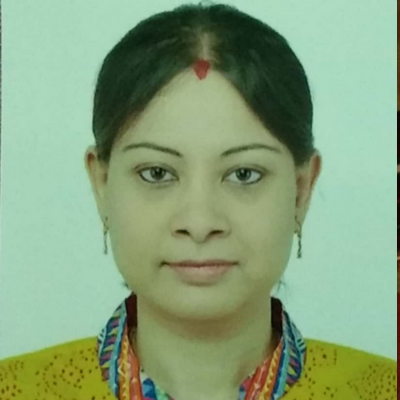
Dr. Sarabarni Biswas
Consultant
Cosmetic Surgeon
IRIS Multispeciality Medical Centre, Kolkata
Book Appointment
View Profile

Dr. Manish Mukul Ghosh
Consultant
Cosmetic Surgeon
Manipal Medical Centre Formerly AMRI Medical Centre, Dhakuria, Kolkata
Book Appointment
View Profile

Dr. Kalyan Das
Consultant
Cosmetic Surgeon
Manipal Medical Centre Formerly AMRI Medical Centre, Broadway, Kolkata
Book Appointment
View Profile

Dr. Pritha Rakshit
Consultant
Cosmetic Surgeon
Apollo Gleneagles Medical Centre, Kolkata
Book Appointment
View Profile

Dr. Subhasis Saha
Consultant
Cosmetic Surgeon
Manipal Medical Centre Formerly AMRI Medical Centre, Mukundapur, Kolkata
Book Appointment
View Profile

Dr. Anil Kumar Murarka
Senior Consultant
Cosmetic Surgeon
Amrita Hospital, Faridabad
Book Appointment
View Profile

Dr. Amol Ghalme
Consultant
Cosmetic Surgeon
Kokilaben Dhirubhai Ambani Medical Centre, Mumbai
Book Appointment
View Profile
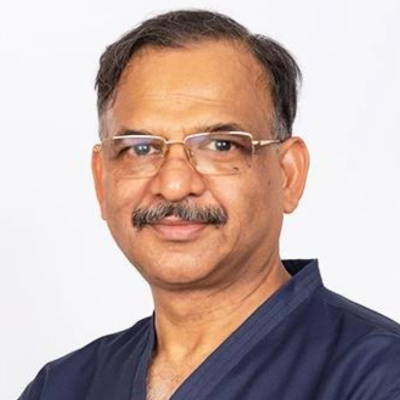
Dr. Anupam Golash
Consultant
Cosmetic Surgeon
Calcutta Medical Research Institute | CK Birla Medical Centres, Kolkata
Book Appointment
View Profile

Dr. Rahul Shetty
Consultant
Cosmetic Surgeon
Manipal Medical Centre, Doddaballapur, Bangalore
Book Appointment
View Profile

Dr. Kamal Singh Chhajer
Consultant
Cosmetic Surgeon
Calcutta Medical Research Institute | CK Birla Medical Centres, Kolkata
Book Appointment
View Profile

Dr. Tanmoy Kumar Mandal
Senior Consultant
Medical Oncologists
Manipal Medical Centre Formerly AMRI Medical Centre, Dhakuria, Kolkata
Book Appointment
View Profile

Dr. Triveni Dhaka
Consultant
Cosmetic Surgeon
Manipal Hospital, Jaipur
Book Appointment
View Profile
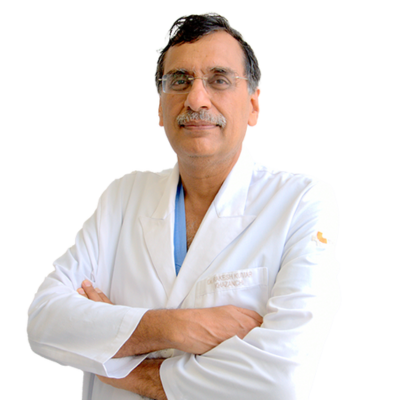
Dr. Rakesh Kumar Khazanchi
Chairman
Cosmetic Surgeon
Medanta - The Medicity Medical Centre, Gurgaon
Book Appointment
View Profile
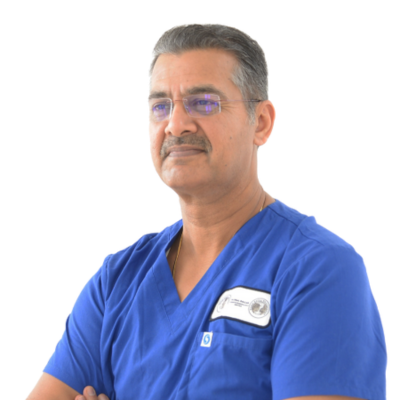
Dr. Aditya Aggarwal
Vice Chairman
Cosmetic Surgeon
Medanta - The Medicity Medical Centre, Gurgaon
Book Appointment
View Profile
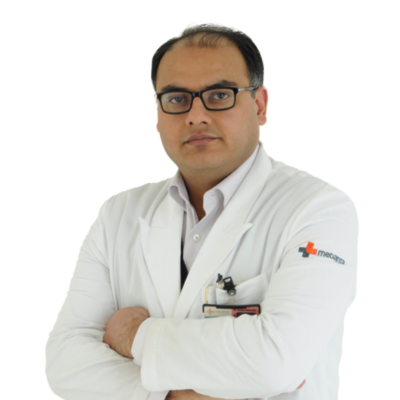
Dr. Sanjay Mahendru
Director
Cosmetic Surgeon
Medanta - The Medicity Medical Centre, Gurgaon
Book Appointment
View Profile

Dr. Vimalendu Brajesh
Associate Director
Cosmetic Surgeon
Medanta - The Medicity Medical Centre, Gurgaon
Book Appointment
View Profile

Dr. Raghav Shrotriya
Senior Consultant
Cosmetic Surgeon
Medanta - The Medicity Medical Centre, Gurgaon
Book Appointment
View Profile
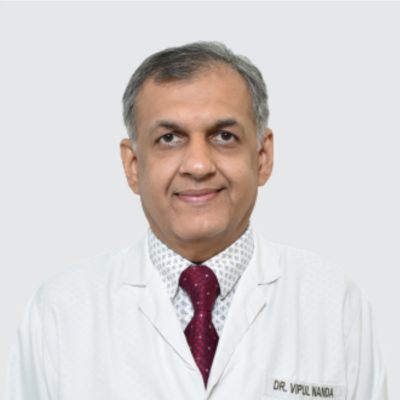
Dr. Vipul Nanda
Head of Department (HOD)
Cosmetic Surgeon
Artemis Hospital, Gurgaon
Book Appointment
View Profile
Hospitals















Schedule a Visit
Schedule your appointment quickly and conveniently online.


