
The Silent Struggles: How Diabetes Impacts Women Differently
How Diabetes Affects Women
Diabetes is a chronic condition that affects the way your body processes blood sugar (glucose). Women can be affected by diabetes in different ways than men due to hormonal differences and other factors. In this blog, we will explore how diabetes affects women and what women can do to manage their diabetes effectively.
Increased Risk for Women
Women are at an increased risk for developing diabetes due to several factors, including:
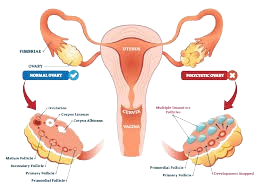
- Polycystic ovary syndrome (PCOS): PCOS is a condition that affects the ovaries and can cause irregular periods, weight gain, and insulin resistance. Women with PCOS are at an increased risk for developing type 2 diabetes.
- Gestational diabetes: Gestational diabetes occurs during pregnancy and can increase the risk of developing type 2 diabetes later in life.
- Menopause: Hormonal changes during menopause can make it more difficult for women to manage their blood sugar levels, increasing the risk of developing type 2 diabetes.
Symptoms of Diabetes in Women
Women with diabetes may experience the same symptoms as men, such as frequent urination, excessive thirst, fatigue, and blurred vision. However, women with diabetes may also experience symptoms that are unique to them, including:
- Vaginal yeast infections: Women with diabetes are more likely to develop yeast infections due to high blood sugar levels, which can create a favorable environment for yeast to grow.
- Urinary tract infections (UTIs): Women with diabetes are more prone to UTIs due to changes in the urinary tract caused by high blood sugar levels.
- Sexual dysfunction: Women with diabetes may experience decreased sexual desire, vaginal dryness, and difficulty achieving orgasm.
Complications of Diabetes in Women
If left uncontrolled, diabetes can lead to a range of complications that can be more severe in women. Some of these complications include:
- Cardiovascular disease: Women with diabetes are at an increased risk for heart disease and stroke.
- Nerve damage: Women with diabetes may be more likely to develop nerve damage, which can lead to problems with digestion, urination, and sexual function.
- Kidney disease: Women with diabetes are at an increased risk for kidney disease, which can lead to kidney failure.
- Eye damage: Women with diabetes are more likely to develop eye damage, which can lead to vision loss.
Managing Diabetes in Women
Managing diabetes requires a comprehensive approach that includes lifestyle changes, medication, and regular monitoring of blood sugar levels. Some tips for managing diabetes in women include:
- Eating a healthy diet rich in fruits, vegetables, whole grains, lean protein, and healthy fats.
- Engaging in regular physical activity.
- Maintaining a healthy weight.
- Monitoring blood sugar levels regularly.
- Taking medication as prescribed by a healthcare provider.
- Quitting smoking.
- Limiting alcohol consumption.
Conclusion
Diabetes affects women in unique ways due to hormonal differences and other factors. Women with diabetes may experience symptoms and complications that are specific to them. However, with proper management, women with diabetes can lead healthy and fulfilling lives. It is important for women to work with their healthcare providers to develop a personalized diabetes management plan that takes into account their individual needs and risk factors.
Trending Articles
-

MyoPlus Team Engages in a Knowledge Exchange Session with the Experts at Fortis Escort Heart Institute, New Delhi
09 July,2026
-

When Do Babies Start to Recognize and Remember Their Mothers After Delivery?
01 September,2025
-
Polycystic Ovary Disorder
01 September,2025
-

PCOS: Polycystic Ovary Syndrome
01 September,2025
-
Ovary Cysts: Understanding the Condition
01 September,2025
-

Vaginal Infections: Causes and Risk Factor
01 September,2025
-

Pre-Delivery Precautions for a Smooth Birth Experience
31 August,2025
-

Post-Delivery Precautions for a Smooth Recovery
31 August,2025
-

Pre-Birth Movement Precautions for Women
31 August,2025
-

Rest and Recovery After Giving Birth
31 August,2025
Book Appointment
Top Doctors





Dr. Gaurav Rathore
Consultant
Orthopedic and Joint Replacement Surgeons
 Book Appointment
View Profile
Book Appointment
View Profile