

Incision Care Treatment Cost in Gurgaon
Incision care is a critical aspect of postoperative recovery, particularly in the field of cardiology. Following cardiac surgery, proper wound management plays a pivotal role in preventing infections, promoting healing, and ensuring optimal outcomes for patients. Let us learn more about the significance of incision care in cardiology, detailing the steps involved, potential complications, and best practices for a seamless recovery. The Importance of Incision Care in Cardiology Incision care is a specialized aspect of postoperative recovery that focuses on the maintenance and protection of the surgical wound. In cardiology, this practice is of utmost importance due to the delicate nature of cardiac procedures. Cardiac surgeries often involve significant incisions, making vigilant care crucial in preventing complications and facilitating swift recovery. Steps in Incision Care Initial Assessment: The first step in incision care involves a thorough assessment of the surgical wound. Healthcare providers check for signs of in...
 Share on WhatsApp
Details
Incision care is a critical aspect of postoperative recovery, particularly in the field of cardiology. Following cardiac surgery, proper wound management plays a pivotal role in preventing infections, promoting healing, and ensuring optimal outcomes for patients. Let us learn more about the significance of incision care in cardiology, detailing the steps involved, potential complications, and best practices for a seamless recovery.
The Importance of Incision Care in Cardiology
Incision care is a specialized aspect of postoperative recovery that focuses on the maintenance and protection of the surgical wound. In cardiology, this practice is of utmost importance due to the delicate nature of cardiac procedures. Cardiac surgeries often involve significant incisions, making vigilant care crucial in preventing complications and facilitating swift recovery.
Steps in Incision Care
- Initial Assessment: The first step in incision care involves a thorough assessment of the surgical wound. Healthcare providers check for signs of infection, such as redness, swelling, warmth, or unusual discharge. They also ensure that the incision is clean, properly closed, and free from any foreign objects.
- Gentle Cleansing: Proper cleansing of the incision site is essential. This is usually done with mild soap and water. It's important to avoid harsh or abrasive substances that may irritate the wound.
- Patting Dry: After cleaning, the area is gently patted dry with a clean, soft cloth. Avoiding vigorous rubbing is crucial to prevent unnecessary stress on the incision.
- Application of Ointments or Dressings: Depending on the surgeon's recommendations, an antimicrobial ointment or sterile dressing may be applied to the incision site. These aids in preventing infections and creating an optimal environment for healing.
- Avoidance of Irritants: Patients are advised to refrain from using harsh chemicals, perfumes, or lotions near the incision site. These substances can cause irritation or delay the healing process.
- Protection from Sun Exposure: Direct exposure to sunlight can be harmful to the healing incision. Patients are encouraged to cover the area or use a broad-spectrum sunscreen if they need to be outdoors.
- Monitoring for Signs of Infection: Patients should be vigilant for any signs of infection, including increased redness, swelling, warmth, or the presence of pus. If any of these symptoms occur, immediate medical attention is required.
- Maintaining Proper Hygiene: Overall cleanliness is essential in preventing infection. Regular bathing, careful drying, and changing of dressings as recommended are all integral components of incision care.
Potential Complications
While diligent incision care significantly reduces the risk of complications, there are certain issues that patients and healthcare providers must remain vigilant about:
- Infection: One of the most common complications is infection at the surgical site. Signs of infection include redness, swelling, warmth, and the presence of pus or unusual discharge.
- Dehiscence: This occurs when the incision partially or completely reopens. It may be caused by factors such as excessive strain on the wound, infection, or underlying medical conditions.
- Hematoma: A collection of blood at the surgical site, known as a hematoma, can lead to swelling and discomfort. Large hematomas may require drainage.
- Seroma: Similar to a hematoma, a seroma is a collection of clear fluid that may accumulate at the incision site. It can be managed with drainage if necessary.
- Keloid or Hypertrophic Scarring: In some cases, the healing process may result in raised, thickened scars. While not necessarily harmful, these scars can be aesthetically bothersome.
Best Practices for Incision Care in Cardiology
- Follow Healthcare Provider's Instructions: Patients must adhere strictly to the incision care instructions provided by their healthcare provider. These guidelines are tailored to the individual's specific surgical procedure and recovery needs.
- Gentle Handling: It's crucial to handle the incision site gently. Avoid any unnecessary pressure, rubbing, or pulling on the wound.
- Regular Check-Ups: Scheduled follow-up appointments are essential for healthcare providers to assess the progress of healing and address any concerns promptly.
- Maintain a Healthy Lifestyle: A balanced diet, regular exercise, and adequate rest play a significant role in the body's ability to heal effectively.
- Avoid Smoking and Alcohol: Smoking and excessive alcohol consumption can impede the healing process. It's recommended to refrain from these activities during the recovery period.
Outlook
Incision care in cardiology is a cornerstone of postoperative recovery. Diligent and attentive wound management is essential in preventing complications, ensuring optimal healing, and ultimately leading to a successful outcome for patients undergoing cardiac procedures. By following healthcare providers' instructions and adhering to best practices, individuals can embark on a smooth path to recovery, allowing them to regain their health and return to their normal lives with confidence and vitality.
Expert Doctors

Dr. Amit Kumar Chaurasia
Chief
Interventional Cardiologists
 Artemis Hospital, Gurgaon
  Book Appointment
View Profile
Book Appointment
View Profile

Dr. Anand Kumar
Director
Cardiothoracic and Vascular Surgeons
Fortis Memorial Research Institute (FMRI), Gurgaon
Book Appointment
View Profile

Dr. Sanjat Chiwane
Director
Interventional Cardiologists
Fortis Memorial Research Institute (FMRI), Gurgaon
Book Appointment
View Profile

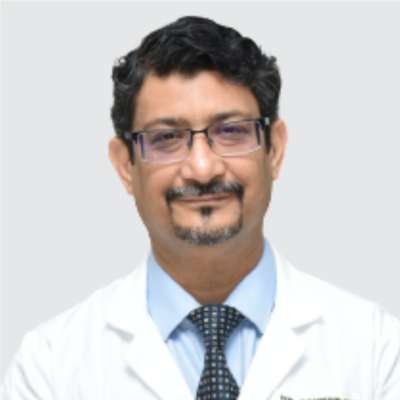
Dr. Sameer Mehrotra
Chief
Interventional Cardiologists
Artemis Hospital, Gurgaon
Book Appointment
View Profile
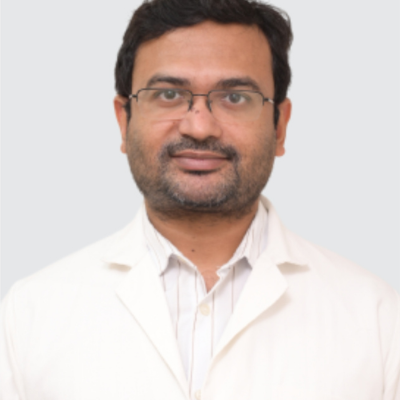
Dr. Nitin Kumar Parashar
Consultant
Interventional Cardiologists
Artemis Hospital, Gurgaon
Book Appointment
View Profile

Dr. Ashutosh Yadav
Consultant
Interventional Cardiologists
Artemis Hospital, Gurgaon
Book Appointment
View Profile
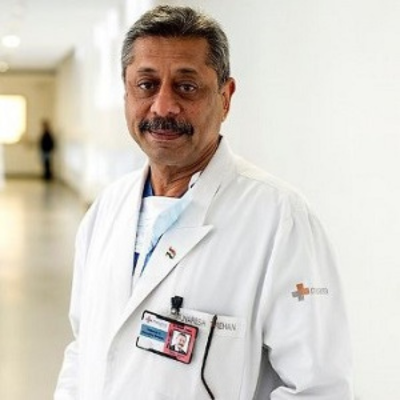
Dr. Naresh Trehan
Chairman
Cardiac Surgeons
Medanta - The Medicity Medical Centre, Gurgaon
Book Appointment
View Profile
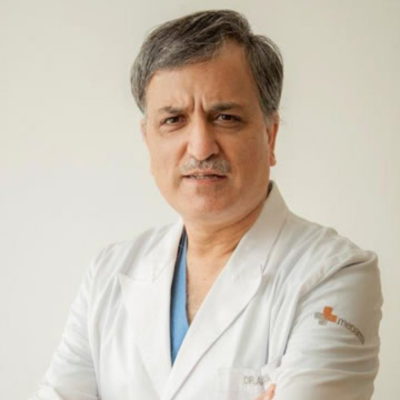
Dr. Anil Bhan
Chairman
Cardiothoracic and Vascular Surgeons
Medanta - The Medicity Medical Centre, Gurgaon
Book Appointment
View Profile
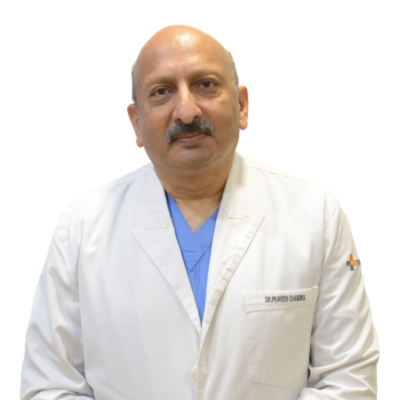
Dr. Praveen Chandra
Chairman
Interventional Cardiologists
Medanta - The Medicity Medical Centre, Gurgaon
Book Appointment
View Profile
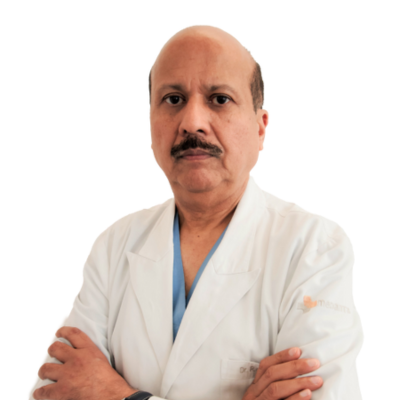
Dr. R. R. Kasliwal
Chairman
Interventional Cardiologists
Medanta - The Medicity Medical Centre, Gurgaon
Book Appointment
View Profile
Dr. Aseem Ranjan Srivastava
Senior Consultant
Pediatric Cardiologists
Artemis Hospital, Gurgaon
Book Appointment
View Profile
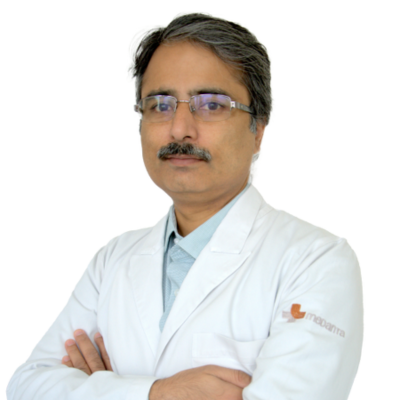
Dr. Rajneesh Kapoor
Chairman
Interventional Cardiologists
Medanta - The Medicity Medical Centre, Gurgaon
Book Appointment
View Profile
Dr. Sanjay Mittal
Vice Chairman
Interventional Cardiologists
Medanta - The Medicity Medical Centre, Gurgaon
Book Appointment
View Profile

Dr. Vijay Kohli
Vice Chairman
Cardiac Surgeons, Cardiothoracic and Vascular Surgeons
Medanta - The Medicity Medical Centre, Gurgaon
Book Appointment
View Profile
Dr. Kartikeya Bhargava
Senior Director
Interventional Cardiologists
Medanta - The Medicity Medical Centre, Gurgaon
Book Appointment
View Profile
Dr. Manish Bansal
Senior Director
Interventional Cardiologists
Medanta - The Medicity Medical Centre, Gurgaon
Book Appointment
View Profile
Dr. Nagendra Singh Chouhan
Senior Director
Interventional Cardiologists
Medanta - The Medicity Medical Centre, Gurgaon
Book Appointment
View Profile
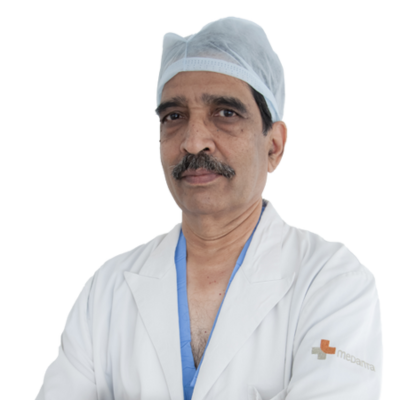
Dr. Ramesh Kumar Bapna
Senior Director
Cardiothoracic and Vascular Surgeons
Medanta - The Medicity Medical Centre, Gurgaon
Book Appointment
View Profile
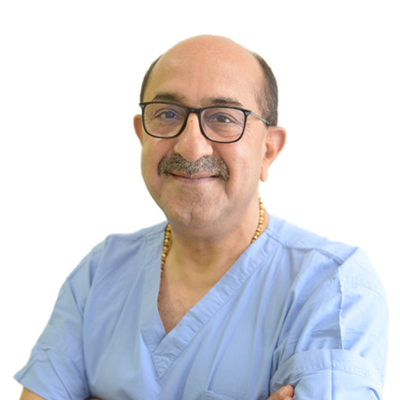
Dr. Surinder Bazaz
Senior Director
Cardiothoracic and Vascular Surgeons
Medanta - The Medicity Medical Centre, Gurgaon
Book Appointment
View Profile
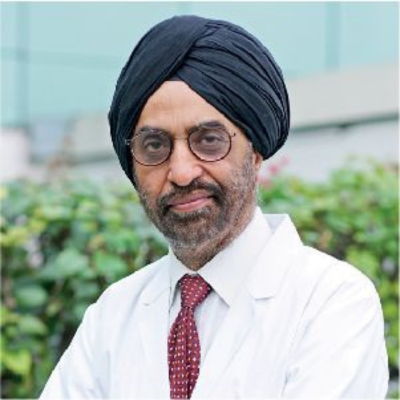
Dr. Balbir Singh
Group Chairman
Interventional Cardiologists
Max Super Speciality Medical Centre, Saket, New Delhi
Book Appointment
View Profile
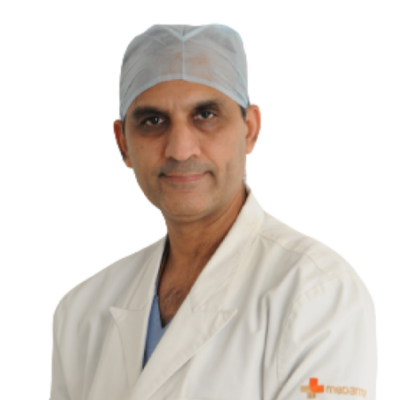
Dr. Amit Chandra
Director
Cardiothoracic and Vascular Surgeons
Medanta - The Medicity Medical Centre, Gurgaon
Book Appointment
View Profile

Dr. Sharad Tandon
Director
Interventional Cardiologists
Medanta - The Medicity Medical Centre, Gurgaon
Book Appointment
View Profile
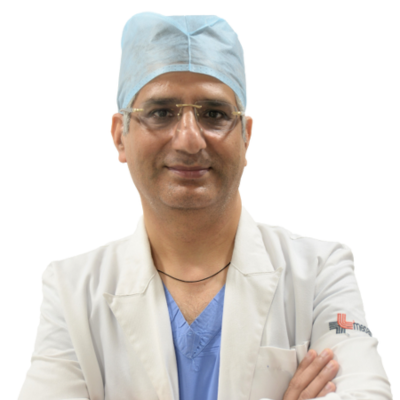
Dr. Amit Misri
Associate Director
Pediatric Cardiologists, Pediatrician
Medanta - The Medicity Medical Centre, Gurgaon
Book Appointment
View Profile

Dr. Gagandeep S Wander
Associate Director
Pediatric Cardiologists, Pediatrician
Medanta - The Medicity Medical Centre, Gurgaon
Book Appointment
View Profile

Dr. Pankaj Bajpai
Associate Director
Pediatric Cardiologists, Pediatrician
Medanta - The Medicity Medical Centre, Gurgaon
Book Appointment
View Profile
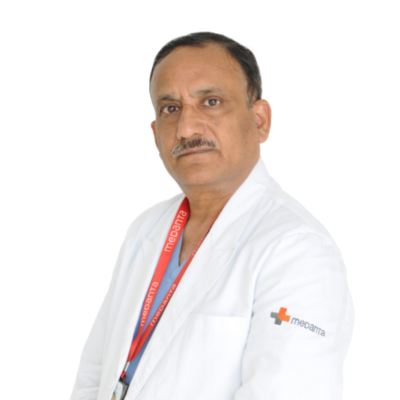
Dr. Bhuvnesh Kumar Aggarwal
Principal Consultant
Cardiac Surgeons
Medanta - The Medicity Medical Centre, Gurgaon
Book Appointment
View Profile

Dr. Hardeep Kaur Grewal
Senior Consultant
Cardiac Surgeons
Medanta - The Medicity Medical Centre, Gurgaon
Book Appointment
View Profile

Dr. Madhu Mary Minz
Senior Consultant
Interventional Cardiologists
Medanta - The Medicity Medical Centre, Gurgaon
Book Appointment
View Profile

Dr. Sameer Dhingra
Senior Consultant
Cardiac Surgeons
Medanta - The Medicity Medical Centre, Gurgaon
Book Appointment
View Profile
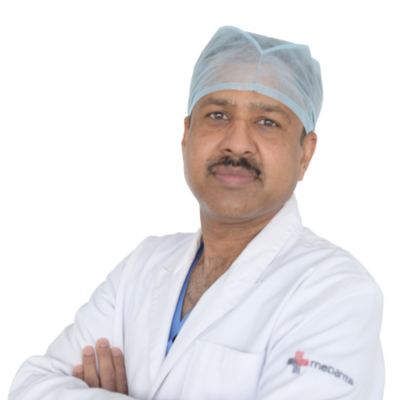
Dr. Sanjeev Kumar Singla
Senior Consultant
Cardiac Surgeons, Cardiothoracic and Vascular Surgeons
Medanta - The Medicity Medical Centre, Gurgaon
Book Appointment
View Profile
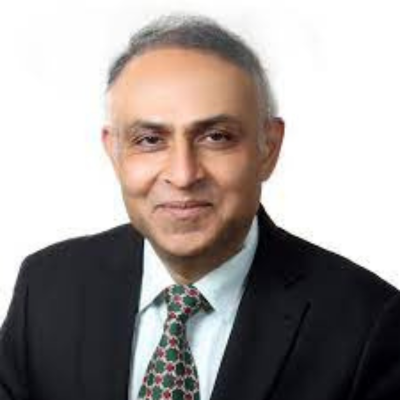
Dr. (Col) Monik Mehta
Senior Consultant
Interventional Cardiologists
Manipal Medical Centre Formerly Columbia Asia, Palam Vihar, Gurgaon
Book Appointment
View Profile

Dr. Brajesh Kumar Mishra
Consultant
Interventional Cardiologists
Manipal Medical Centre Formerly Columbia Asia, Palam Vihar, Gurgaon
Book Appointment
View Profile
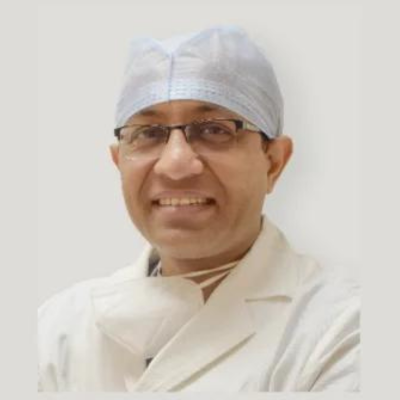
Dr. Dixit Garg
Consultant
Interventional Cardiologists
Manipal Medical Centre Formerly Columbia Asia, Palam Vihar, Gurgaon
Book Appointment
View Profile

Dr. Nidhi Rawal
Head of Department (HOD)
Pediatric Cardiologists
Artemis Hospital, Gurgaon
Book Appointment
View Profile
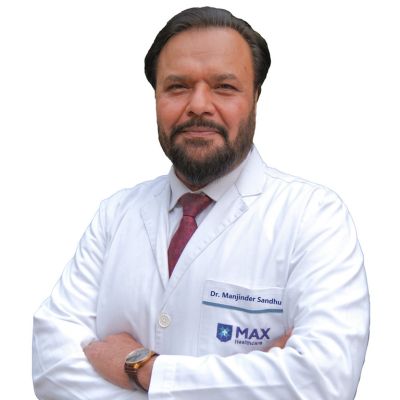
Dr. Manjinder Sandhu
Director
Interventional Cardiologists
Fortis Memorial Research Institute (FMRI), Gurgaon
Book Appointment
View Profile
Dr. Manmohan Singh Chauhan
Head of Department (HOD)
Cardiothoracic and Vascular Surgeons
Manipal Medical Centre Formerly Columbia Asia, Palam Vihar, Gurgaon
Book Appointment
View Profile
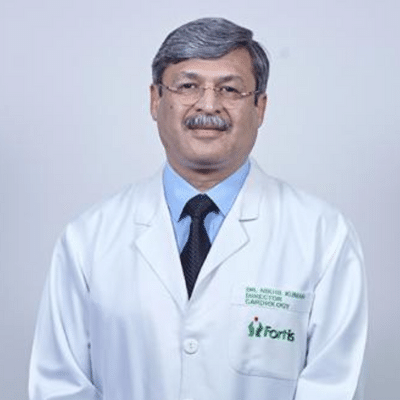
Dr. Nikhil Kumar
Director
Cardiologists
Fortis Memorial Research Institute (FMRI), Gurgaon
Book Appointment
View Profile
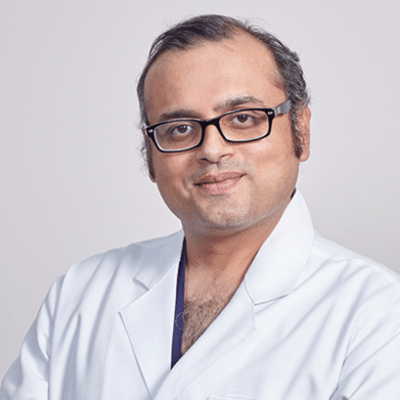
Dr. Udgeath Dhir
Senior Director
Cardiothoracic and Vascular Surgeons
Fortis Memorial Research Institute (FMRI), Gurgaon
Book Appointment
View Profile
Dr Arun Kumar Chopra
Director
Interventional Cardiologists
Fortis Memorial Research Institute (FMRI), Gurgaon
Book Appointment
View Profile
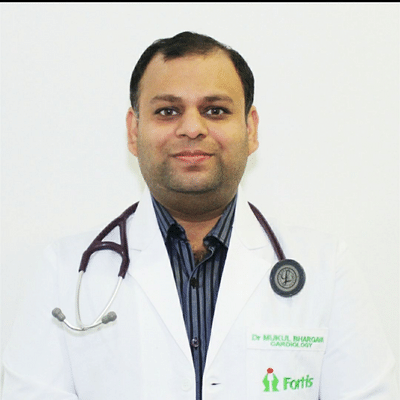
Dr. Mukul Bhargava
Consultant
Cardiologists
Fortis Memorial Research Institute (FMRI), Gurgaon
Book Appointment
View Profile

Dr Manvinder Singh Sachdev
Director
Cardiologists
Fortis Memorial Research Institute (FMRI), Gurgaon
Book Appointment
View Profile
Dr. Dheeraj Kumar Gandotra
Director
Interventional Cardiologists
BLK-Max Super Speciality Medical Centre, New Delhi
Book Appointment
View Profile
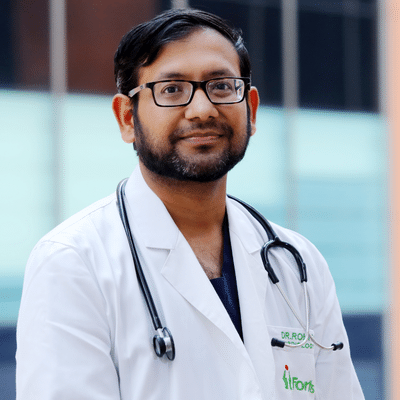
Dr. Rohit Goel
Consultant
Interventional Cardiologists
Fortis Memorial Research Institute (FMRI), Gurgaon
Book Appointment
View Profile
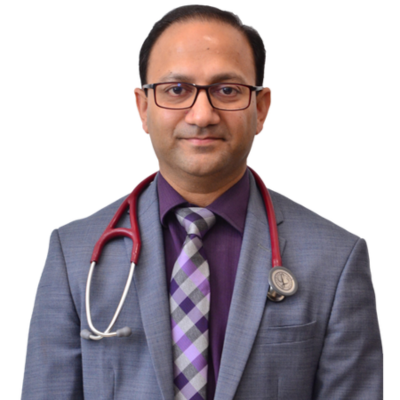
Dr. Vinayak Aggarwal
Senior Director
Cardiothoracic and Vascular Surgeons
Fortis Memorial Research Institute (FMRI), Gurgaon
Book Appointment
View Profile

Dr. Avinash Verma
Director
Cardiologists, Interventional Cardiologists
BLK-Max Super Speciality Medical Centre, New Delhi
Book Appointment
View Profile




Schedule a Visit
Schedule your appointment quickly and conveniently online.


