

Liver Transplant Treatment Cost in India
The liver is the largest internal organ in the human body, responsible for a wide range of essential functions, including detoxification, metabolism, and the production of proteins necessary for blood clotting. When the liver becomes severely damaged or fails due to various causes such as cirrhosis, hepatitis, or genetic disorders, it can no longer perform its critical functions effectively. A liver transplant, also known as hepatic transplantation, is a surgical procedure that replaces a damaged liver with a healthy liver from a donor. This procedure offers a new lease on life for individuals facing end-stage liver disease, as it provides them with a functioning liver capable of sustaining normal metabolic and detoxification processes. The Liver Transplant Procedure The Liver Transplant Procedure Involves Several Key Steps: Patient Evaluation: Before undergoing a liver transplant, the recipient undergoes a comprehensive evaluation process. This assessment includes a thorough medical history review, physical examination, l...
 Share on WhatsApp
Details
The liver is the largest internal organ in the human body, responsible for a wide range of essential functions, including detoxification, metabolism, and the production of proteins necessary for blood clotting. When the liver becomes severely damaged or fails due to various causes such as cirrhosis, hepatitis, or genetic disorders, it can no longer perform its critical functions effectively. A liver transplant, also known as hepatic transplantation, is a surgical procedure that replaces a damaged liver with a healthy liver from a donor. This procedure offers a new lease on life for individuals facing end-stage liver disease, as it provides them with a functioning liver capable of sustaining normal metabolic and detoxification processes.
The Liver Transplant Procedure
The Liver Transplant Procedure Involves Several Key Steps:
- Patient Evaluation: Before undergoing a liver transplant, the recipient undergoes a comprehensive evaluation process. This assessment includes a thorough medical history review, physical examination, laboratory tests, imaging studies, and psychological evaluation. The goal is to ensure that the recipient is a suitable candidate for transplantation and assess the overall health and readiness for the procedure.
- Matching Donor Selection: The selection of a suitable donor liver is a critical aspect of the transplantation process. Donor livers are matched to recipients based on factors such as blood type, size, and compatibility. The Organ Procurement and Transplantation Network (OPTN) facilitates the allocation and distribution of donor organs in the United States.
- Transplant Surgery: The recipient undergoes a major surgical procedure in which the diseased liver is removed and replaced with the donor liver. The surgical team meticulously connects the blood vessels (hepatic artery, portal vein, and hepatic vein) and bile ducts to ensure proper blood flow and bile drainage.
- Monitoring and Recovery: Following the transplant surgery, the recipient is closely monitored in the intensive care unit (ICU) to ensure the new liver functions properly. The recovery period varies from patient to patient, but a typical hospital stay ranges from one to two weeks.
- Immunosuppression: To prevent rejection of the donor liver, recipients are prescribed immunosuppressive medications, commonly referred to as anti-rejection drugs. These medications suppress the recipient's immune system, reducing the risk of the body attacking and damaging the new liver.
- Post-Transplant Care: Recipients receive ongoing medical care and monitoring to manage potential complications, ensure proper graft function, and adjust immunosuppressive medications as needed.
Indications for Liver Transplant
A Liver Transplant is Indicated for Individuals Facing Various Severe Liver Conditions, Including:
- End-Stage Liver Disease: When the liver becomes severely damaged due to cirrhosis, viral hepatitis, alcoholic liver disease, or non-alcoholic fatty liver disease, transplantation may be considered.
- Acute Liver Failure: In cases of sudden and severe liver failure, often due to drug overdose, hepatitis, or other acute conditions, liver transplantation can be a life-saving intervention.
- Liver Tumors: Some liver tumors or cancers may necessitate transplantation, particularly when the tumor cannot be surgically removed, or the cancer has spread within the liver.
- Metabolic Liver Disorders: Certain genetic or metabolic disorders, such as Wilson's disease or alpha-1 antitrypsin deficiency, may lead to liver damage and may require transplantation.
Benefits of Liver Transplant
A Liver Transplant Offers Several Significant Benefits:
- Extended Life Expectancy: Liver transplantation can significantly extend life expectancy and improve the quality of life for recipients facing end-stage liver disease or acute liver failure.
- Resolution of Symptoms: Transplantation often leads to the resolution of symptoms associated with liver failure, such as jaundice, ascites (fluid accumulation in the abdomen), and hepatic encephalopathy (confusion and cognitive impairment).
- Improved Quality of Life: Many recipients experience a substantial improvement in their overall health and physical capacity after transplantation, allowing them to resume normal activities and routines.
- Metabolic and Nutritional Benefits: With a functioning liver, recipients can better metabolize nutrients, leading to improved overall health.
Potential Complications
While liver transplant is a highly successful procedure, it is not without potential risks and complications, including:
- Rejection: The recipient's immune system may identify the donor's liver as foreign and attempt to reject it. This is managed through immunosuppressive medications.
- Infection: Immunosuppressive drugs may increase the risk of infection. Recipients require vigilant monitoring and prompt treatment if infections occur.
- Bile Duct Complications: Problems with the bile ducts, such as leaks or strictures, may occur and require intervention.
- Side Effects of Medications: Long-term use of immunosuppressive medications can lead to side effects such as kidney problems, hypertension, and metabolic issues.
- Graft Dysfunction: The donor liver may not function optimally immediately after transplantation, and graft dysfunction may require further treatment or intervention.
Outlook
A liver transplant is a remarkable surgical procedure that has transformed the lives of countless individuals facing end-stage liver disease, acute liver failure, and severe liver-related conditions. It represents a beacon of hope, offering the promise of extended life expectancy and improved quality of life. While the procedure is not without risks and challenges, its significance in healthcare cannot be overstated. Liver transplantation showcases the remarkable achievements of modern medicine, demonstrating how innovation and medical expertise can provide a new beginning and a brighter future for those in dire need. If you or a loved one is considering a liver transplant, consult with a healthcare provider to discuss the specific medical indications, treatment options, and the potential impact on your health and well-being.
Expert Doctors


Dr. Tapan Mukherjee
Consultant
General Surgeons
 Charnock Hospital, Kolkata
  Book Appointment
View Profile
Book Appointment
View Profile
Dr. Nirmalya Bagchi
Consultant
General Surgeons
Charnock Hospital, Kolkata
Book Appointment
View Profile

Dr. Rajeev Vijayakumar
Senior Consultant
Bone Marrow Transplant Surgeons, Medical Oncologists
Gleneagles BGS Medical Centre Kengeri, Bengaluru
Book Appointment
View Profile
Dr. Debashis Mukherjee
Consultant
General Surgeons
Calcutta Medical Research Institute | CK Birla Medical Centres, Kolkata
Book Appointment
View Profile

Dr. Govind Eriat
Consultant
Bone Marrow Transplant Surgeons, Medical Oncologists
Gleneagles BGS Medical Centre Kengeri, Bengaluru
Book Appointment
View Profile
Dr. Pradeep Kumar Nemani
Consultant
General Surgeons
Calcutta Medical Research Institute | CK Birla Medical Centres, Kolkata
Book Appointment
View Profile
Dr. Vinita Khemani
Consultant
Gynecologist and Obstetrician, IVF Specialist
Charnock Hospital, Kolkata
Book Appointment
View Profile

Dr Vijaya Raja Kumari
Senior Consultant
Kidney Transplant Surgeons
Indraprastha Apollo Medical Centre, New Delhi
Book Appointment
View Profile

Dr. Neerav Goyal
Senior Consultant
Liver Transplant Surgeons
Indraprastha Apollo Medical Centre, New Delhi
Book Appointment
View Profile
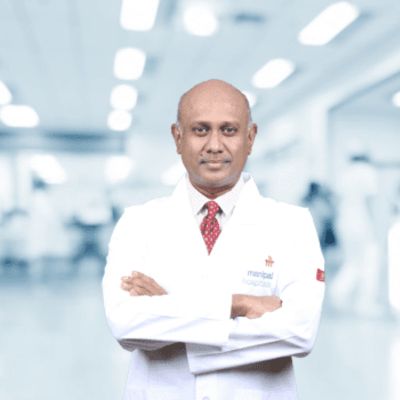
Dr. Mohan K
Consultant
Urologist
Manipal Medical Centre, Millers Road, Bangalore
Book Appointment
View Profile
Dr. Dhruba Bhattacharya
Consultant
Medicine Specialist
Calcutta Medical Research Institute | CK Birla Medical Centres, Kolkata
Book Appointment
View Profile

Dr. Amar Nath Ghosh
Consultant
Cardiothoracic and Vascular Surgeons
Apollo Gleneagles Medical Centre, Kolkata
Book Appointment
View Profile

Dr. Mahesh Kumar Chowdhury
Consultant
Medicine Specialist
Calcutta Medical Research Institute | CK Birla Medical Centres, Kolkata
Book Appointment
View Profile
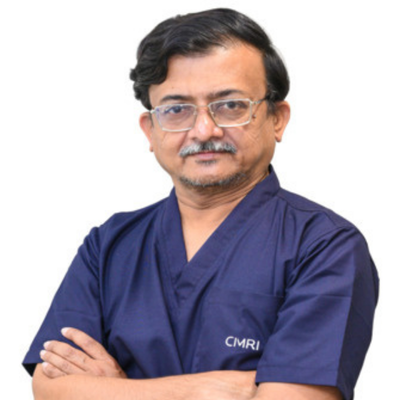
Dr. Rajarshi Sengupta
Consultant
Medicine Specialist
Calcutta Medical Research Institute | CK Birla Medical Centres, Kolkata
Book Appointment
View Profile
Dr. Sujoy Mukherjee
Consultant
Medicine Specialist
Calcutta Medical Research Institute | CK Birla Medical Centres, Kolkata
Book Appointment
View Profile

Prof.(Dr) Sukumar Mukherjee
Consultant
Medicine Specialist
Calcutta Medical Research Institute | CK Birla Medical Centres, Kolkata
Book Appointment
View Profile
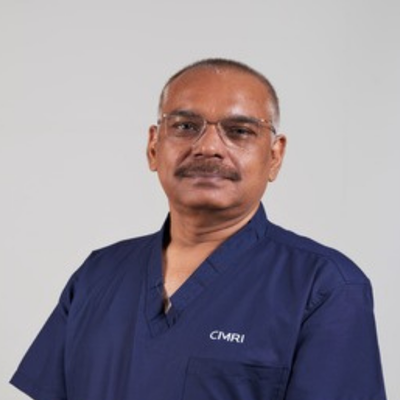
Dr. Gouri Kumar Prusty
Senior Consultant
Neurologists
Calcutta Medical Research Institute | CK Birla Medical Centres, Kolkata
Book Appointment
View Profile
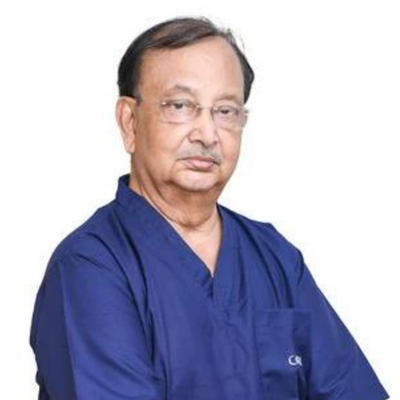
Dr. Pahari Ghosh
Senior Consultant
Neurologists
Calcutta Medical Research Institute | CK Birla Medical Centres, Kolkata
Book Appointment
View Profile
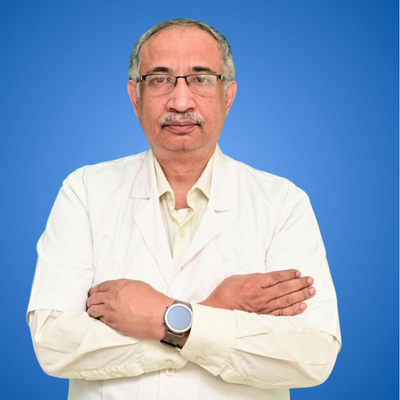
Dr. Barishan Mukherjee
Consultant
Ophthalmologist
Calcutta Medical Research Institute | CK Birla Medical Centres, Kolkata
Book Appointment
View Profile

Dr. Bhaskar Ray Chaudhuri
Consultant
Ophthalmologist
Calcutta Medical Research Institute | CK Birla Medical Centres, Kolkata
Book Appointment
View Profile
Dr. Manikuntala Sengupta
Consultant
Ophthalmologist
Calcutta Medical Research Institute | CK Birla Medical Centres, Kolkata
Book Appointment
View Profile

Dr. Charles Panackel
Consultant
Liver Transplant Surgeons
Aster Medcity, Kochi
Book Appointment
View Profile


Dr. Soumya Sengupta
Consultant
Pulmonologist
Charnock Hospital, Kolkata
Book Appointment
View Profile

Dr. Arup Halder
Consultant
Pulmonologist
Calcutta Medical Research Institute | CK Birla Medical Centres, Kolkata
Book Appointment
View Profile

Dr. Raja Dhar
Head of Department (HOD)
Pulmonologist
Calcutta Medical Research Institute | CK Birla Medical Centres, Kolkata
Book Appointment
View Profile

Dr. Sherley Mathen
Senior Consultant
Liver Transplant Surgeons
Aster Medcity, Kochi
Book Appointment
View Profile
Dr. Deep Das
Consultant
Neurologists
Calcutta Medical Research Institute | CK Birla Medical Centres, Kolkata
Book Appointment
View Profile

Dr. Kishore G S B
Senior Consultant
Liver Transplant Surgeons
Fortis Medical Centre Bannerghatta Road Bangalore
Book Appointment
View Profile

Dr. Piyush Kumar Sinha
Senior Consultant
Liver Transplant Surgeons
Fortis Medical Centre Bannerghatta Road Bangalore
Book Appointment
View Profile

Dr. Manav Suryavanshi
Head of Department (HOD)
Kidney Transplant Surgeons, Uro-oncologist, Urologist
Amrita Hospital, Faridabad
Book Appointment
View Profile

Dr. Dinesh Balakrishnan
Associate Professor
Liver Transplant Surgeons, Surgical Gastroenterologists, Surgical Oncologists
Amrita Hospital, Faridabad
Book Appointment
View Profile
Dr. Lalit Sehgal
Head of Department (HOD)
Liver Transplant Surgeons
Manipal Medical Centre, Dwarka, Delhi
Book Appointment
View Profile

Dr. Anil Mishra
Director
Interventional Cardiologists
CK Birla Medical Centres | BM Birla Heart Medical Centre
Book Appointment
View Profile

Dr. Ashok B Malpani
Senior Consultant
Cardiologists
CK Birla Medical Centres | BM Birla Heart Medical Centre
Book Appointment
View Profile

Dr. Sachin Baliyan
Senior Consultant
Pulmonologist
Primus Super Speciality Medical Centre, New Delhi
Book Appointment
View Profile

Dr. Praveen S
Consultant
General Surgeons
Manipal Medical Centre, Doddaballapur, Bangalore
Book Appointment
View Profile

Dr. S N Mehta
Senior Consultant
Kidney Transplant Surgeons
Indraprastha Apollo Medical Centre, New Delhi
Book Appointment
View Profile

Dr. Sandeep Guleria
Senior Consultant
Kidney Transplant Surgeons
Indraprastha Apollo Medical Centre, New Delhi
Book Appointment
View Profile
Dr. Ranjan Tibrewal
Consultant
Gynecologist and Obstetrician
Manipal Medical Centre Formerly AMRI Medical Centre, Dhakuria, Kolkata
Book Appointment
View Profile

Dr. Tanmoy Kumar Mandal
Senior Consultant
Medical Oncologists
Manipal Medical Centre Formerly AMRI Medical Centre, Dhakuria, Kolkata
Book Appointment
View Profile

Dr. Vipin Kumar Jain
Consultant
Medicine Specialist
Manipal Hospital, Jaipur
Book Appointment
View Profile

Dr. Shyam Sunder Nowal
Consultant
Nephrologist
Manipal Hospital, Jaipur
Book Appointment
View Profile

Dr. Anil Mandhani
Director
Kidney Transplant Surgeons, Urologist
Fortis Memorial Research Institute (FMRI), Gurgaon
Book Appointment
View Profile

Dr. Vimalraj Velayutham
Consultant
Liver Transplant Surgeons
MIOT International, Chennai
Book Appointment
View Profile

Dr. Pramod V Satya
Consultant
Medicine Specialist
Manipal Medical Centre, Millers Road, Bangalore
Book Appointment
View Profile

Hospitals


















Schedule a Visit
Schedule your appointment quickly and conveniently online.


