

Sclerotherapy Treatment Cost in India
Varicose veins, characterized by enlarged, twisted veins often appearing on the legs, can be more than just a cosmetic concern. They can lead to discomfort, pain, and even more serious medical issues if left untreated. Sclerotherapy is a highly effective non-invasive procedure used to treat varicose veins and spider veins, offering relief and improved quality of life for individuals affected by these vascular conditions. Understanding Varicose Veins Varicose veins develop when the valves within the veins weaken or fail to function properly. This leads to blood pooling in the veins, causing them to become enlarged, twisted, and often visible through the skin's surface. While they can occur in any part of the body, they most commonly appear in the legs and feet. Who are the Best Candidates for Sclerotherapy? The best candidates for sclerotherapy are individuals who meet certain criteria and have specific characteristics that make them suitable candidates for this procedure. These include: Visible Varicose Veins or ...
 Share on WhatsApp
Details
Varicose veins, characterized by enlarged, twisted veins often appearing on the legs, can be more than just a cosmetic concern. They can lead to discomfort, pain, and even more serious medical issues if left untreated. Sclerotherapy is a highly effective non-invasive procedure used to treat varicose veins and spider veins, offering relief and improved quality of life for individuals affected by these vascular conditions.
Understanding Varicose Veins
Varicose veins develop when the valves within the veins weaken or fail to function properly. This leads to blood pooling in the veins, causing them to become enlarged, twisted, and often visible through the skin's surface. While they can occur in any part of the body, they most commonly appear in the legs and feet.
Who are the Best Candidates for Sclerotherapy?
The best candidates for sclerotherapy are individuals who meet certain criteria and have specific characteristics that make them suitable candidates for this procedure. These include:
- Visible Varicose Veins or Spider Veins: Sclerotherapy is most effective for treating visible, small- to medium-sized varicose veins or spider veins. These veins are typically close to the surface of the skin.
- Good General Health: Candidates should be in overall good health and not have any underlying medical conditions that could increase the risks associated with the procedure.
- Realistic Expectations: Candidates should have realistic expectations about the results of sclerotherapy. While the procedure is highly effective for many, it may not completely eliminate all veins, and additional sessions may be required.
- Not Pregnant or Breastfeeding: Sclerotherapy is generally not recommended for pregnant or breastfeeding individuals. It is advisable to wait until after childbirth and breastfeeding have concluded.
- No History of Allergic Reactions: Candidates should not have a history of allergic reactions to the sclerosant solution used in the procedure.
- No History of Deep Vein Thrombosis (DVT): Individuals with a history of DVT may not be suitable candidates for sclerotherapy, as it could potentially increase the risk of complications.
- Not Taking Certain Medications: Some medications may interfere with the effectiveness of sclerotherapy or increase the risk of complications. Candidates should discuss their current medications with their healthcare provider.
- Not Smoking: Smoking can impair circulation and wound healing, so candidates are typically advised to quit smoking before undergoing sclerotherapy.
- No Skin Infections or Open Sores: Candidates should not have active skin infections or open sores in the area to be treated.
- Compliance with Post-Treatment Care: Candidates should be willing and able to follow post-treatment care instructions, which may include wearing compression stockings and avoiding certain activities for a specified period.
It's important to note that the final determination of a patient's suitability for sclerotherapy is made after a thorough evaluation by a qualified healthcare provider. They will consider the specific characteristics of the individual's veins, overall health, and medical history before recommending the procedure.
The Sclerotherapy Procedure
Sclerotherapy is a minimally invasive procedure that involves injecting a solution, known as a sclerosant, directly into the affected veins. This sclerosant irritates the lining of the veins, causing them to collapse and stick together. Over time, the body absorbs the treated veins, redirecting blood flow through healthier veins.
Procedure Steps
- Patient Evaluation: Before the procedure, a thorough evaluation is conducted to determine the extent and severity of the varicose veins. This helps in planning the treatment approach.
- Preparing the Patient: The patient is positioned comfortably, usually in a reclining or lying down position. The area to be treated is cleaned and sterilized.
- Sclerosant Injection: Using a very fine needle, the sclerosant solution is injected directly into the affected veins. The number of injections depends on the size and number of veins being treated.
- Monitoring and Compression: After the injection, the treated area is monitored for any adverse reactions. Compression stockings or bandages are then applied to help compress the veins, aiding in the treatment's effectiveness.
- Post-Procedure Care: Patients are often advised to walk and move around to promote blood circulation. Strenuous activities and sun exposure should be avoided for a specified period.
Advantages of Sclerotherapy
- Non-Invasive: Sclerotherapy is a non-surgical procedure, which means there are no incisions or stitches required. It is performed in an outpatient setting, and patients can typically resume normal activities shortly after the procedure.
- High Success Rate: Sclerotherapy has a high success rate in treating varicose veins, with many patients experiencing significant improvement or complete resolution of their symptoms.
- Minimally Disruptive: Unlike surgical interventions, which may require anesthesia and longer recovery times, sclerotherapy is relatively quick and involves minimal discomfort.
- Improved Aesthetic Appearance: In addition to alleviating discomfort and pain, sclerotherapy can lead to a noticeable improvement in the appearance of varicose veins, enhancing self-confidence.
Considerations and Risks
While sclerotherapy is generally considered safe and effective, there are some important considerations and potential risks to be aware of:
- Allergic Reactions: Some individuals may be allergic to the sclerosant solution, leading to adverse reactions. This is why a thorough evaluation and medical history assessment are crucial before the procedure.
- Temporary Side Effects: Patients may experience temporary side effects such as bruising, swelling, or mild discomfort at the injection site. These typically subside within a few days or weeks.
- Hyperpigmentation or Telangiectatic Matting: In some cases, there may be a temporary darkening of the skin overlying the treated veins, or the development of tiny new blood vessels near the injection site.
- Incomplete Treatment: In rare cases, some veins may not respond adequately to the treatment, necessitating additional sessions or alternative interventions.
Outlook
Sclerotherapy stands as a valuable non-invasive option in the treatment of varicose veins and spider veins. By offering a highly effective and minimally disruptive approach, it provides relief from discomfort, enhances aesthetic appearance, and ultimately improves the overall quality of life for individuals affected by these vascular conditions. As with any medical procedure, it's important to consult with a qualified healthcare provider to determine the suitability of sclerotherapy based on individual health and specific vein-related concerns.
Expert Doctors
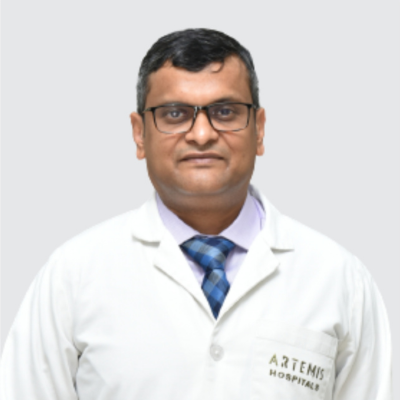
Dr. Amit Kumar Chaurasia
Chief
Interventional Cardiologists
 Artemis Hospital, Gurgaon
  Book Appointment
View Profile
Book Appointment
View Profile
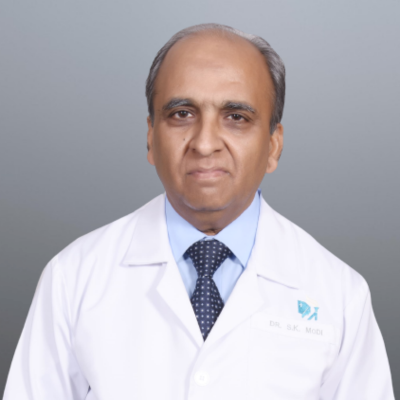
Dr. Sunil Modi
Consultant
Interventional Cardiologists
Indraprastha Apollo Medical Centre, New Delhi
Book Appointment
View Profile

Dr. Anand Kumar
Director
Cardiothoracic and Vascular Surgeons
Fortis Memorial Research Institute (FMRI), Gurgaon
Book Appointment
View Profile
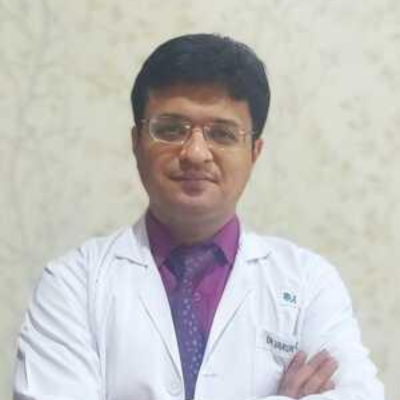
Dr. Varun Bansal
Consultant
Cardiothoracic and Vascular Surgeons
Indraprastha Apollo Medical Centre, New Delhi
Book Appointment
View Profile
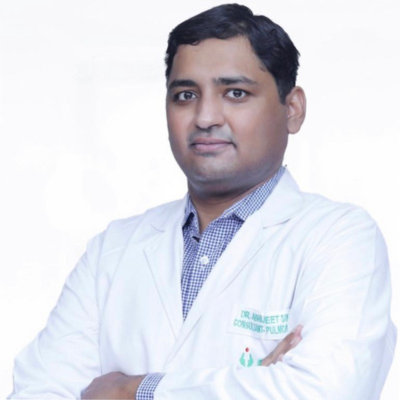
Dr. Abhijeet Singh
Senior Consultant
Interventional Cardiologists
Fortis Medical Centre, Greater Noida
Book Appointment
View Profile
Dr. Edwin Francis
Director
Pediatric Cardiologists
Aster MIMS, Calicut
Book Appointment
View Profile
Dr. Vipul Narain Roy
Consultant
Interventional Cardiologists
Indraprastha Apollo Medical Centre, New Delhi
Book Appointment
View Profile

Dr. Vanita Arora
Consultant
Interventional Cardiologists
Indraprastha Apollo Medical Centre, New Delhi
Book Appointment
View Profile
Prof. Dr. Vivek Gupta
Senior Consultant
Interventional Cardiologists
Indraprastha Apollo Medical Centre, New Delhi
Book Appointment
View Profile
Dr Gautam Niloba Naik
Consultant
Interventional Cardiologists
Indraprastha Apollo Medical Centre, New Delhi
Book Appointment
View Profile
Dr. K K Kapur
Senior Consultant
Interventional Cardiologists
Indraprastha Apollo Medical Centre, New Delhi
Book Appointment
View Profile
Dr. K K Saxena
Senior Consultant
Interventional Cardiologists
Indraprastha Apollo Medical Centre, New Delhi
Book Appointment
View Profile
Dr. Narendra Nath Khanna
Senior Consultant
Interventional Cardiologists
Indraprastha Apollo Medical Centre, New Delhi
Book Appointment
View Profile
Dr. Pradeep Jain
Senior Consultant
Interventional Cardiologists
Indraprastha Apollo Medical Centre, New Delhi
Book Appointment
View Profile
Dr. Amar Nath Ghosh
Consultant
Cardiothoracic and Vascular Surgeons
Apollo Gleneagles Medical Centre, Kolkata
Book Appointment
View Profile
Dr. Prashanta Kumar Ghosh
Senior Consultant
Interventional Cardiologists
Indraprastha Apollo Medical Centre, New Delhi
Book Appointment
View Profile
Dr. Rajiv Mehrotra
Senior Consultant
Interventional Cardiologists
Indraprastha Apollo Medical Centre, New Delhi
Book Appointment
View Profile
Dr. Swapan Kumar
Senior Consultant
Interventional Cardiologists
Apollo Gleneagles Medical Centre, Kolkata
Book Appointment
View Profile
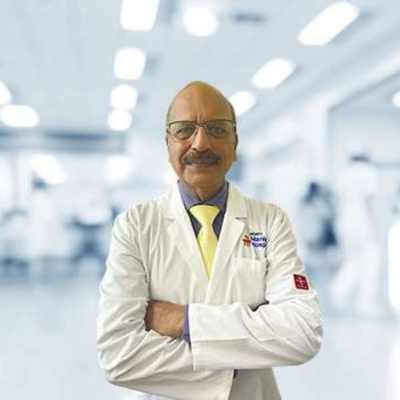
Dr. Satinder Kumar Jain
Consultant
Cardiothoracic and Vascular Surgeons
Manipal Medical Centre, Dwarka, Delhi
Book Appointment
View Profile
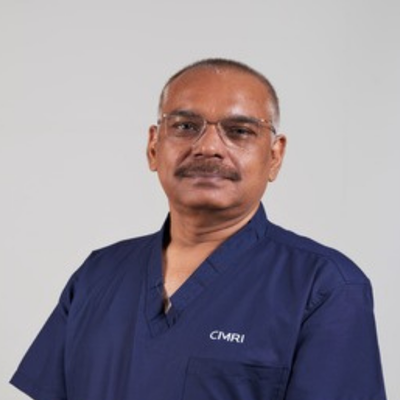
Dr. Gouri Kumar Prusty
Senior Consultant
Neurologists
Calcutta Medical Research Institute | CK Birla Medical Centres, Kolkata
Book Appointment
View Profile
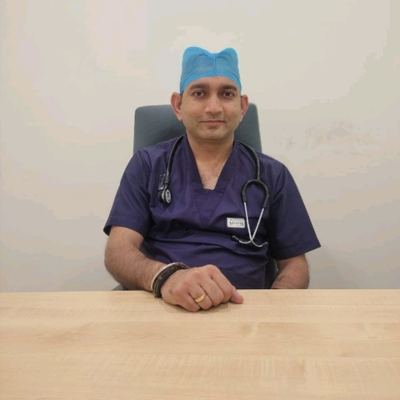
Dr. Bhupender Bhati
Associate Consultant
Cardiologists
Fortis Medical Centre, Greater Noida
Book Appointment
View Profile
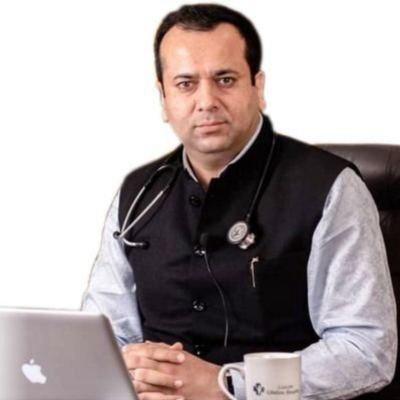
Dr. Vivek Shama
Associate Consultant
Cardiologists
Fortis Medical Centre, Greater Noida
Book Appointment
View Profile
Dr. Vivek Tandon
Additional Director
Interventional Cardiologists
Fortis Medical Centre, Greater Noida
Book Appointment
View Profile
Dr. Manoj P Nair
Senior Consultant
Cardiac Surgeons
Aster Medcity, Kochi
Book Appointment
View Profile
Dr. Rajpal Singh RL
Director
Interventional Cardiologists
Fortis Medical Centre Bannerghatta Road Bangalore
Book Appointment
View Profile
Dr. Suman Bhandari
Director
Interventional Cardiologists
Fortis Hospital, Noida
Book Appointment
View Profile
Dr. Shashidhar Pal
Director
Interventional Cardiologists
Fortis Medical Centre Bannerghatta Road Bangalore
Book Appointment
View Profile
Dr. Murali Manohar
Director
Cardiothoracic and Vascular Surgeons
Fortis Medical Centre Bannerghatta Road Bangalore
Book Appointment
View Profile
Dr. Pavankumar P Rasalkar
Consultant
Interventional Cardiologists
Fortis Nagarbhavi, Bangalore
Book Appointment
View Profile
Dr. Sridhara N
Director
Interventional Cardiologists
Fortis Medical Centre Bannerghatta Road Bangalore
Book Appointment
View Profile
Dr. Pavankumar P Rasalkar
Consultant
Interventional Cardiologists
Fortis Nagarbhavi, Bangalore
Book Appointment
View Profile
Dr. Shivanand S Patil
Senior Consultant
Interventional Cardiologists
Fortis Medical Centre Bannerghatta Road Bangalore
Book Appointment
View Profile
Dr R Anil Kumar
Consultant
Interventional Cardiologists
Aster Medcity, Kochi
Book Appointment
View Profile
Dr. Prabhakar C Koregol
Consultant
Interventional Cardiologists
Fortis Nagarbhavi, Bangalore
Book Appointment
View Profile
Dr. Sanjay B S
Consultant
Cardiothoracic and Vascular Surgeons
Fortis Nagarbhavi, Bangalore
Book Appointment
View Profile
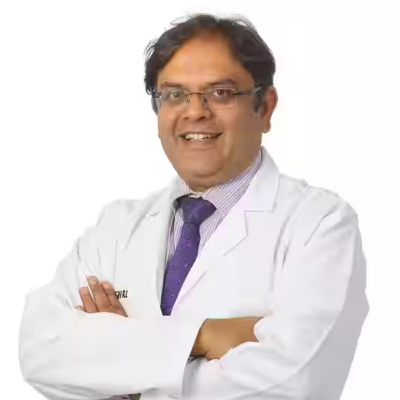
Dr. Rajpal Singh
Director
Interventional Cardiologists
Fortis Medical Centre, Greater Noida
Book Appointment
View Profile
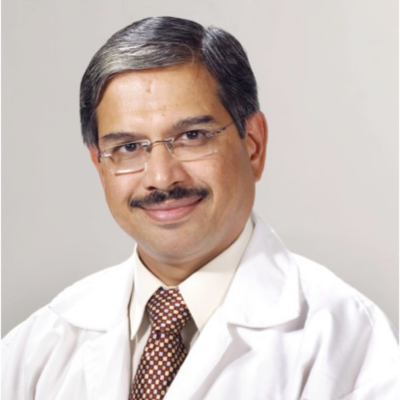
Dr. Jayaprakash Shenthar
Additional Director
Interventional Cardiologists
Fortis Medical Centre Bannerghatta Road Bangalore
Book Appointment
View Profile
Dr. Raja Sekhar Varma
Consultant
Interventional Cardiologists
Aster Medcity, Kochi
Book Appointment
View Profile
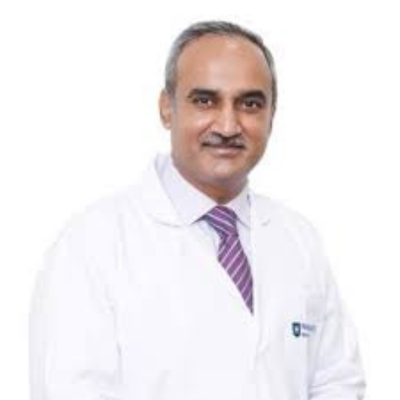
Dr. Vishal Khullar
Director
Cardiothoracic and Vascular Surgeons
Nanavati-Max Super Speciality Medical Centre, Mumbai
Book Appointment
View Profile
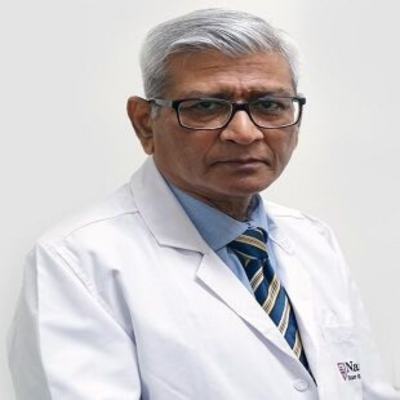
Dr. Sushil Kumbhat
Senior Consultant
Interventional Cardiologists
Nanavati-Max Super Speciality Medical Centre, Mumbai
Book Appointment
View Profile
Dr. Murali Manohar Verappa
Senior Consultant
Cardiothoracic and Vascular Surgeons
Fortis Medical Centre Bannerghatta Road Bangalore
Book Appointment
View Profile
Dr. Sanjay Gupta
Senior Consultant
Cardiac Surgeons
Fortis Medical Centre, Vasant Kunj, New Delhi
Book Appointment
View Profile
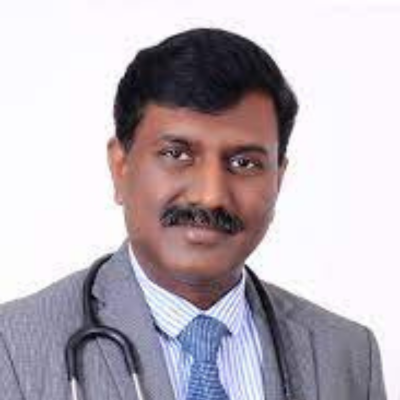
Dr. Srinivasa Prasad B V
Senior Consultant
Interventional Cardiologists
Fortis Medical Centre Bannerghatta Road Bangalore
Book Appointment
View Profile
Dr. Sudarshan G T
Senior Consultant
Cardiothoracic and Vascular Surgeons
Fortis Medical Centre Bannerghatta Road Bangalore
Book Appointment
View Profile
Dr. Tapan Ghose
Director
Interventional Cardiologists
Fortis Medical Centre, Vasant Kunj, New Delhi
Book Appointment
View Profile

Dr. Ranjan Kachru
Director
Interventional Cardiologists
Fortis Medical Centre, Vasant Kunj, New Delhi
Book Appointment
View Profile
Dr. Amit Mittal
Senior Consultant
Interventional Cardiologists
Indraprastha Apollo Medical Centre, New Delhi
Book Appointment
View Profile
Dr. Col V Hariharan
Senior Consultant
Interventional Cardiologists
Indraprastha Apollo Medical Centre, New Delhi
Book Appointment
View Profile
Dr. Bhaba Nanda Das
Consultant
Cardiothoracic and Vascular Surgeons
Indraprastha Apollo Medical Centre, New Delhi
Book Appointment
View Profile
Dr. Aseem Ranjan Srivastava
Senior Consultant
Pediatric Cardiologists
Artemis Hospital, Gurgaon
Book Appointment
View Profile
Dr. Mukesh Goel
Senior Consultant
Cardiothoracic and Vascular Surgeons
Indraprastha Apollo Medical Centre, New Delhi
Book Appointment
View Profile
Dr. Sabarinath Menon
Senior Consultant
Cardiothoracic and Vascular Surgeons
Aster MIMS, Calicut
Book Appointment
View Profile
Dr. N Sastri
Senior Consultant
Cardiothoracic and Vascular Surgeons
Indraprastha Apollo Medical Centre, New Delhi
Book Appointment
View Profile
Dr. K K Pandey
Senior Consultant
Cardiothoracic and Vascular Surgeons
Indraprastha Apollo Medical Centre, New Delhi
Book Appointment
View Profile
Dr. Mahesh Chandra Garg
Senior Consultant
Interventional Cardiologists
Indraprastha Apollo Medical Centre, New Delhi
Book Appointment
View Profile
Dr. AL Narayanan
Senior Consultant
Interventional Cardiologists
MGM Healthcare, Chennai
Book Appointment
View Profile
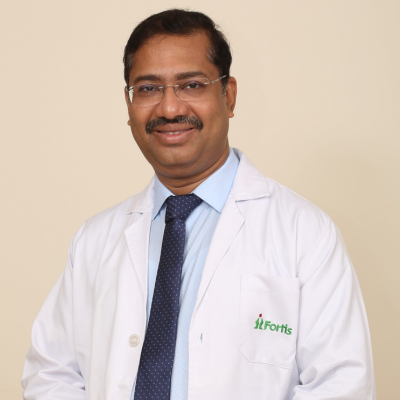
Dr Jyotirmaya Dash
Senior Consultant
Interventional Cardiologists
MGM Healthcare, Chennai
Book Appointment
View Profile
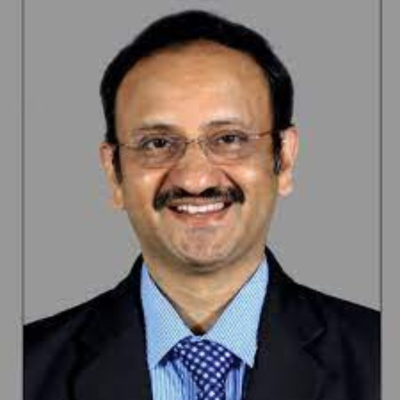
Dr. Madan Mohan B
Senior Consultant
Interventional Cardiologists
MGM Healthcare, Chennai
Book Appointment
View Profile
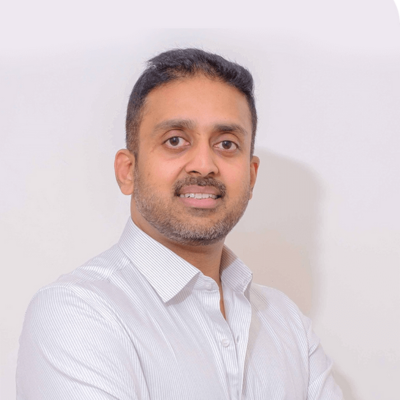
Dr A B Gopalamurugan
Director
Interventional Cardiologists
MGM Healthcare, Chennai
Book Appointment
View Profile
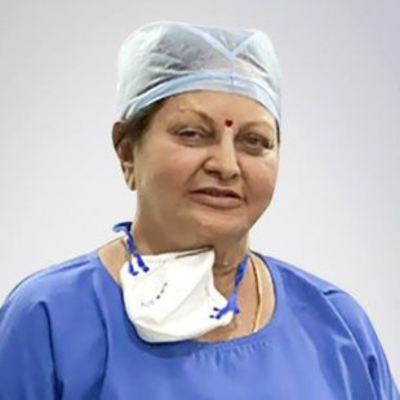
Dr. Lekha Pathak
Head of Department (HOD)
Cardiologists
Nanavati-Max Super Speciality Medical Centre, Mumbai
Book Appointment
View Profile
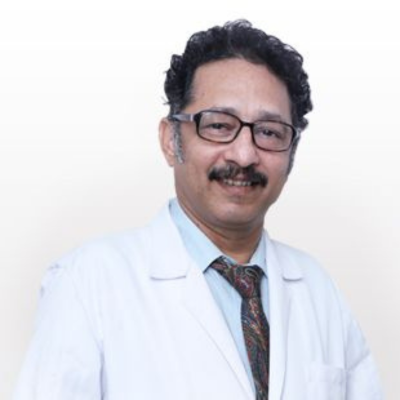
Dr. Rajiv G. Bhagwat
Senior Consultant
Interventional Cardiologists
Nanavati-Max Super Speciality Medical Centre, Mumbai
Book Appointment
View Profile
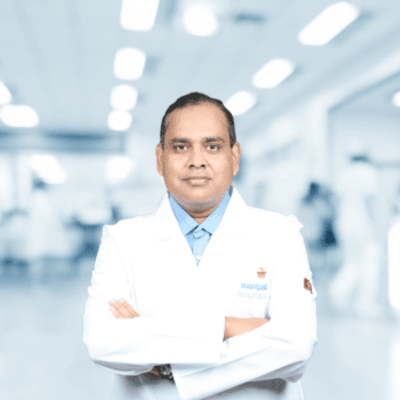
Dr. Abhishek Singh
Consultant
Interventional Cardiologists
Manipal Medical Centre Formerly Columbia Asia, Ghaziabad
Book Appointment
View Profile
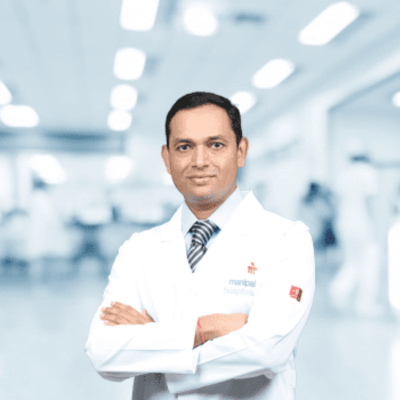
Dr. Bhupendra Singh
Consultant
Interventional Cardiologists
Manipal Medical Centre Formerly Columbia Asia, Ghaziabad
Book Appointment
View Profile

Dr. Bipin Kumar Dubey
Head of Department (HOD)
Interventional Cardiologists
Manipal Medical Centre, Dwarka, Delhi
Book Appointment
View Profile

Dr. Amit Gupta
Consultant
Interventional Cardiologists
Manipal Medical Centre, Dwarka, Delhi
Book Appointment
View Profile
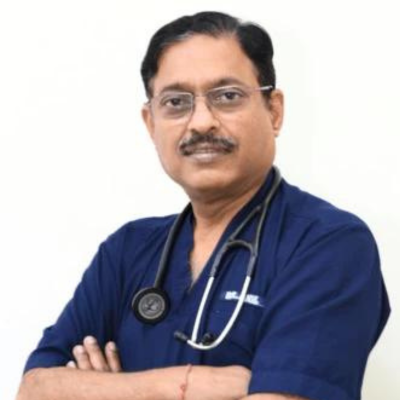
Dr. Anil Mishra
Director
Interventional Cardiologists
CK Birla Medical Centres | BM Birla Heart Medical Centre
Book Appointment
View Profile
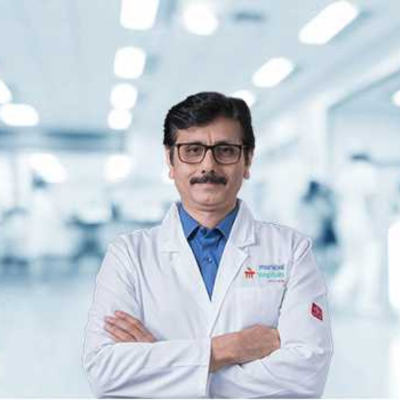
Dr. Samanjoy Mukherjee
Consultant
Interventional Cardiologists
Manipal Medical Centre, Dwarka, Delhi
Book Appointment
View Profile
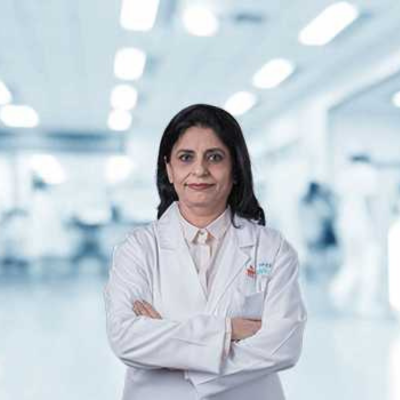
Dr. Sarita Gulati
Consultant
Interventional Cardiologists
Manipal Medical Centre, Dwarka, Delhi
Book Appointment
View Profile
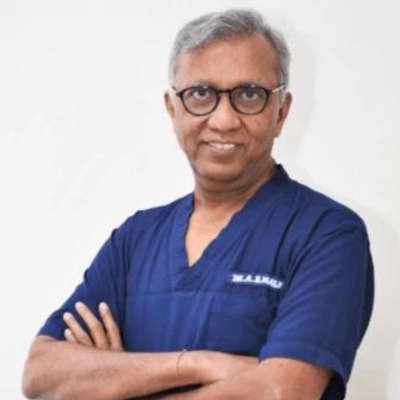
Dr. Ashok B Malpani
Senior Consultant
Cardiologists
CK Birla Medical Centres | BM Birla Heart Medical Centre
Book Appointment
View Profile
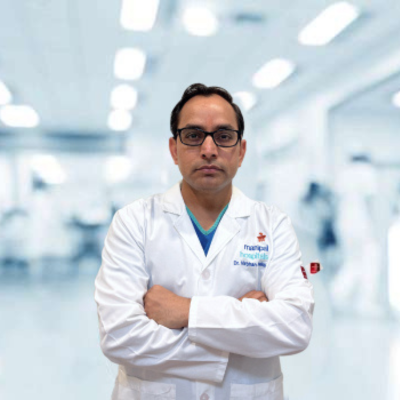
Dr. Virbhan Balai
Consultant
Interventional Cardiologists
Manipal Medical Centre, Dwarka, Delhi
Book Appointment
View Profile
Dr. Yugal Kishore Mishra
Chief
Cardiothoracic and Vascular Surgeons
Manipal Medical Centre, Dwarka, Delhi
Book Appointment
View Profile
Dr. M. S. Meenakshi
Consultant
Interventional Cardiologists
MIOT International, Chennai
Book Appointment
View Profile
Dr. Tanmoy Kumar Mandal
Senior Consultant
Medical Oncologists
Manipal Medical Centre Formerly AMRI Medical Centre, Dhakuria, Kolkata
Book Appointment
View Profile
Dr. Balaram Palaniappan
Consultant
Cardiac Surgeons
MIOT International, Chennai
Book Appointment
View Profile
Dr. Shyam Kumar G
Senior Consultant
Interventional Cardiologists
MIOT International, Chennai
Book Appointment
View Profile

Dr. J. Vijesh
Consultant
Interventional Cardiologists
MIOT International, Chennai
Book Appointment
View Profile
Dr. J. Vijesh
Consultant
Interventional Cardiologists
MIOT International, Chennai
Book Appointment
View Profile
Dr. (Col) Monik Mehta
Senior Consultant
Interventional Cardiologists
Manipal Medical Centre Formerly Columbia Asia, Palam Vihar, Gurgaon
Book Appointment
View Profile
Dr. Brajesh Kumar Mishra
Consultant
Interventional Cardiologists
Manipal Medical Centre Formerly Columbia Asia, Palam Vihar, Gurgaon
Book Appointment
View Profile
Dr. Dixit Garg
Consultant
Interventional Cardiologists
Manipal Medical Centre Formerly Columbia Asia, Palam Vihar, Gurgaon
Book Appointment
View Profile
Dr. Nidhi Rawal
Head of Department (HOD)
Pediatric Cardiologists
Artemis Hospital, Gurgaon
Book Appointment
View Profile
Dr. Manmohan Singh Chauhan
Head of Department (HOD)
Cardiothoracic and Vascular Surgeons
Manipal Medical Centre Formerly Columbia Asia, Palam Vihar, Gurgaon
Book Appointment
View Profile
Dr. Nikhil Kumar
Director
Cardiologists
Fortis Memorial Research Institute (FMRI), Gurgaon
Book Appointment
View Profile
Dr. Udgeath Dhir
Senior Director
Cardiothoracic and Vascular Surgeons
Fortis Memorial Research Institute (FMRI), Gurgaon
Book Appointment
View Profile
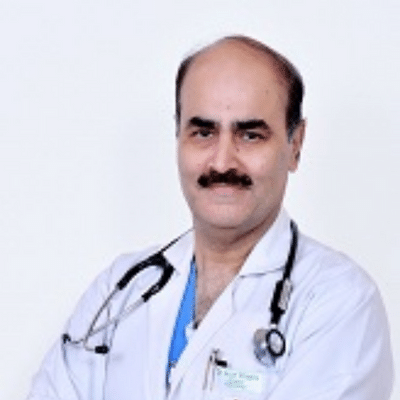
Dr Arun Kumar Chopra
Director
Interventional Cardiologists
Fortis Memorial Research Institute (FMRI), Gurgaon
Book Appointment
View Profile
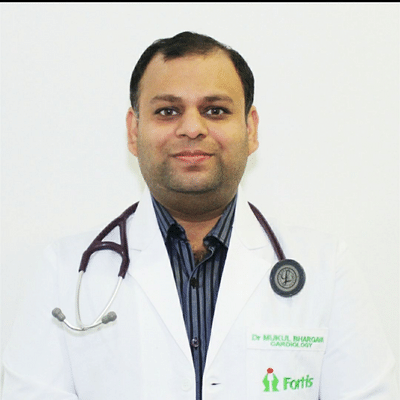
Dr. Mukul Bhargava
Consultant
Cardiologists
Fortis Memorial Research Institute (FMRI), Gurgaon
Book Appointment
View Profile
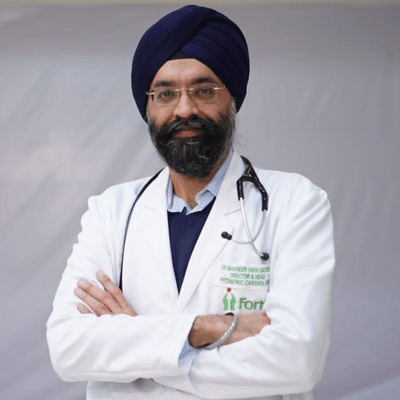
Dr Manvinder Singh Sachdev
Director
Cardiologists
Fortis Memorial Research Institute (FMRI), Gurgaon
Book Appointment
View Profile
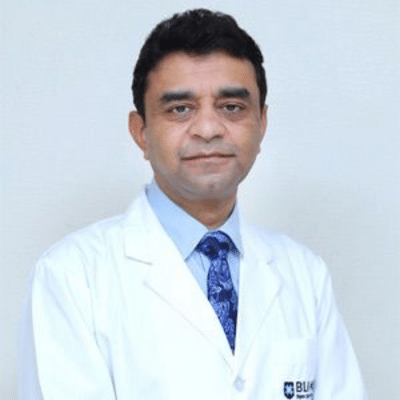
Dr. Dheeraj Kumar Gandotra
Director
Interventional Cardiologists
BLK-Max Super Speciality Medical Centre, New Delhi
Book Appointment
View Profile
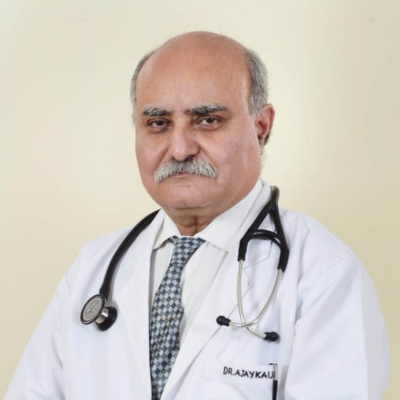
Dr. Ajay Kaul
Chairman
Cardiothoracic and Vascular Surgeons
Fortis Hospital, Noida
Book Appointment
View Profile
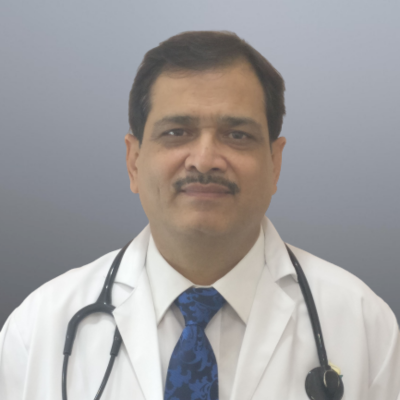
Dr. Rajeeve Kumar Rajput
Consultant
Interventional Cardiologists
Indraprastha Apollo Medical Centre, New Delhi
Book Appointment
View Profile
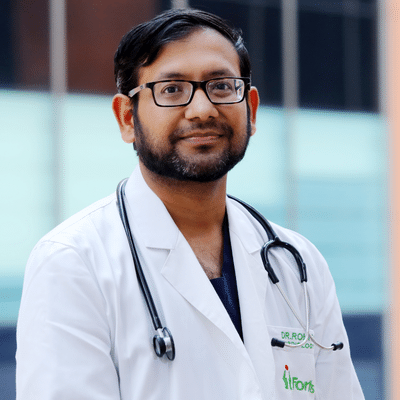
Dr. Rohit Goel
Consultant
Interventional Cardiologists
Fortis Memorial Research Institute (FMRI), Gurgaon
Book Appointment
View Profile
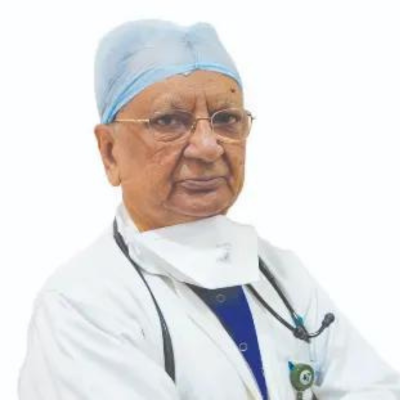
Dr. S K Gupta
Senior Consultant
Interventional Cardiologists
Indraprastha Apollo Medical Centre, New Delhi
Book Appointment
View Profile
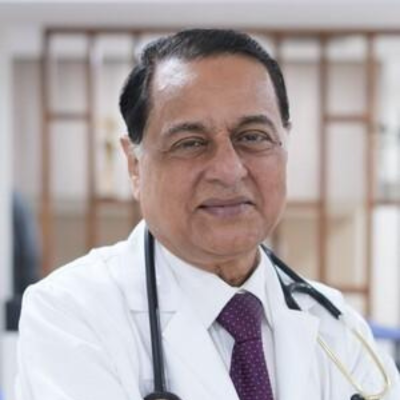
Dr. Prof. Sanjay Tyagi
Director
Interventional Cardiologists
Indraprastha Apollo Medical Centre, New Delhi
Book Appointment
View Profile
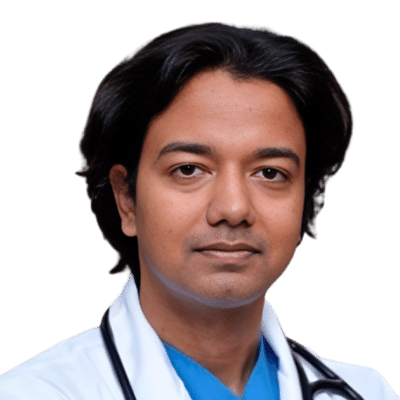
Dr. Avinash Verma
Director
Cardiologists, Interventional Cardiologists
BLK-Max Super Speciality Medical Centre, New Delhi
Book Appointment
View Profile
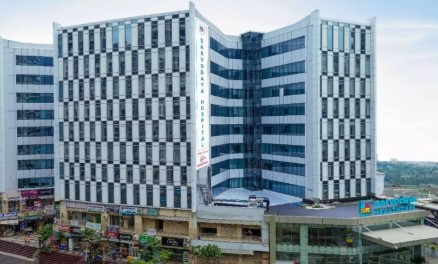
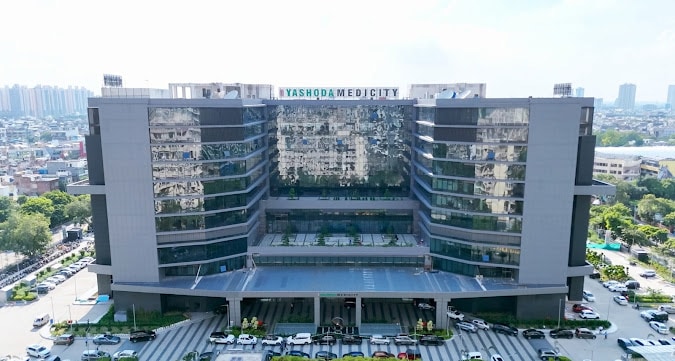
Hospitals




Schedule a Visit
Schedule your appointment quickly and conveniently online.


