

Chemotherapy Treatment Cost in India
Chemotherapy, often referred to as "chemo," is a medical treatment that uses powerful drugs to target and kill cancer cells or inhibit their ability to grow and divide. These drugs can be administered orally, intravenously (IV), or through other methods, and they circulate throughout the body, attacking cancer cells wherever they may be. The main goal of chemotherapy is to: Shrink Tumors: Chemotherapy can reduce the size of tumors, making them easier to remove surgically or treat with other therapies. Control Cancer: In cases where cancer cannot be completely cured, chemotherapy can help control its growth and spread, allowing patients to manage the disease as a chronic condition. Cure Cancer: In some instances, chemotherapy can achieve a complete cure, particularly when the cancer is localized and highly responsive to the drugs. Palliative Care: For advanced-stage cancers, chemotherapy can provide relief from symptoms and improve the quality of life for patients. Mechanism of Action Chemotherapy drugs wo...
 Share on WhatsApp
Details
Chemotherapy, often referred to as "chemo," is a medical treatment that uses powerful drugs to target and kill cancer cells or inhibit their ability to grow and divide. These drugs can be administered orally, intravenously (IV), or through other methods, and they circulate throughout the body, attacking cancer cells wherever they may be. The main goal of chemotherapy is to:
- Shrink Tumors: Chemotherapy can reduce the size of tumors, making them easier to remove surgically or treat with other therapies.
- Control Cancer: In cases where cancer cannot be completely cured, chemotherapy can help control its growth and spread, allowing patients to manage the disease as a chronic condition.
- Cure Cancer: In some instances, chemotherapy can achieve a complete cure, particularly when the cancer is localized and highly responsive to the drugs.
- Palliative Care: For advanced-stage cancers, chemotherapy can provide relief from symptoms and improve the quality of life for patients.
Mechanism of Action
Chemotherapy drugs work by targeting rapidly dividing cells, which is a characteristic of cancer cells. However, they also affect some healthy cells in the body that naturally divide quickly, such as those in the bone marrow, gastrointestinal tract, and hair follicles. This is why chemotherapy often leads to side effects.
The mechanism of action of chemotherapy includes the following key processes:
- Cell Cycle Disruption: Chemotherapy drugs disrupt the cell cycle, preventing cancer cells from dividing and multiplying.
- DNA Damage: Some drugs cause damage to the DNA of cancer cells, making it difficult for them to repair and survive.
- Apoptosis Induction: Chemotherapy can trigger programmed cell death (apoptosis) in cancer cells, causing them to self-destruct.
- Immune System Activation: Certain chemotherapy drugs stimulate the immune system to recognize and attack cancer cells.
Uses of Chemotherapy
Chemotherapy is used to treat various types of cancer, both as a primary treatment and in combination with other modalities such as surgery, radiation therapy, and immunotherapy. Its applications include:
- Adjuvant Therapy: After surgery to remove tumors, chemotherapy may be administered to destroy any remaining cancer cells and reduce the risk of recurrence.
- Neoadjuvant Therapy: Given before surgery or other treatments to shrink tumors and make them more manageable.
- Primary Treatment: In cases where surgery or radiation is not feasible, chemotherapy may be the primary treatment to control or eliminate cancer.
- Metastatic Cancer: For cancers that have spread to other parts of the body, chemotherapy can help manage the disease and improve quality of life.
- Palliative Care: In advanced-stage cancers, chemotherapy can alleviate symptoms and enhance the patient's comfort.
Types of Chemotherapy
Chemotherapy drugs can be categorized into several classes based on their mechanisms of action, and they may be administered in various combinations depending on the specific cancer being treated. Common types of chemotherapy include:
- Cytotoxic Drugs: These drugs directly kill cancer cells by disrupting their cell division. Examples include paclitaxel, cisplatin, and doxorubicin.
- Targeted Therapies: Targeted therapies focus on specific molecules or pathways involved in cancer growth. They are more precise in their action and typically have fewer side effects. Examples include imatinib for chronic myeloid leukemia and trastuzumab for breast cancer.
- Hormone Therapy: Hormone therapy is used to treat hormone-sensitive cancers by blocking or reducing the effects of hormones that fuel cancer growth. It is often employed in breast and prostate cancers.
- Immunotherapy: Immunotherapy drugs enhance the body's immune response to cancer cells. Examples include checkpoint inhibitors like pembrolizumab and nivolumab.
- Stem Cell Transplants: High-dose chemotherapy can be used in combination with stem cell transplants to treat certain cancers, such as leukemia and lymphoma.
Side Effects of Chemotherapy
While chemotherapy is a potent tool in the fight against cancer, it can lead to a range of side effects. These side effects vary depending on the type of drugs used, the dose, the duration of treatment, and individual patient factors. Common side effects include:
- Nausea and Vomiting: Nausea and vomiting are among the most common side effects of chemotherapy. Medications called antiemetics are often prescribed to manage these symptoms.
- Fatigue: Chemotherapy can cause extreme tiredness and weakness, which can persist for days or even weeks.
- Hair Loss: Many chemotherapy drugs lead to temporary hair loss, including hair on the scalp, eyebrows, and eyelashes.
- Anemia: Chemotherapy can reduce red blood cell production, leading to anemia, which can cause fatigue and weakness.
- Neutropenia: Chemotherapy can lower the number of white blood cells, increasing the risk of infection.
- Thrombocytopenia: A decrease in platelets can result in bleeding or easy bruising.
- Mouth Sores: Some drugs can cause painful sores in the mouth and throat.
- Peripheral Neuropathy: Chemotherapy can damage nerves, leading to numbness, tingling, or weakness in the hands and feet.
- Cognitive Changes: Some patients experience cognitive changes, often referred to as "chemo brain," which can affect memory and concentration.
- Changes in Appetite: Patients may experience changes in taste or appetite, leading to weight loss or gain.
It is essential for patients undergoing chemotherapy to communicate openly with their healthcare team about any side effects they experience. Supportive care and medications can often alleviate these symptoms.
Importance of Chemotherapy in Cancer Care
Chemotherapy is a cornerstone of cancer treatment for several reasons:
- Curative Potential: In many cases, chemotherapy can lead to a complete cure, particularly when cancer is diagnosed at an early stage or is highly responsive to the drugs.
- Adjuvant and Neoadjuvant Therapy: Chemotherapy complements other treatments like surgery and radiation therapy, improving their effectiveness.
- Disease Control: For advanced or metastatic cancer, chemotherapy can slow disease progression and extend survival, even when a cure is not possible.
- Palliative Care: Chemotherapy can provide relief from symptoms and enhance the quality of life for patients with advanced-stage cancer.
- Combination Therapies: Chemotherapy can be combined with targeted therapies, immunotherapy, and other treatments to maximize their impact on cancer cells.
- Research and Innovation: Ongoing research and clinical trials continually improve the effectiveness and safety of chemotherapy drugs.
Outlook
Chemotherapy is a critical component of modern cancer care, offering hope, relief, and improved survival rates to countless cancer patients. While it comes with potential side effects, its benefits often outweigh the drawbacks, especially when used in conjunction with other treatment modalities. Advances in medical research continue to refine chemotherapy regimens, making them more targeted and less toxic. Ultimately, chemotherapy remains a powerful tool in the battle against cancer, offering both treatment and hope to those affected by this devastating disease.
Expert Doctors
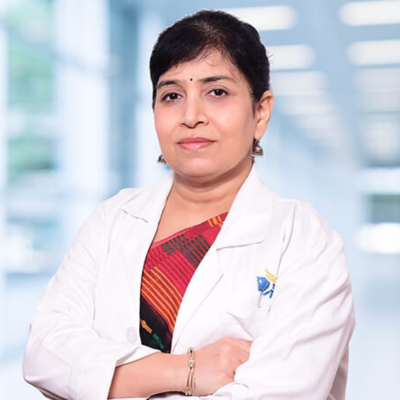
Dr. Amita Mahajan
Senior Consultant
Pediatric Oncologists
 Indraprastha Apollo Medical Centre, New Delhi
  Book Appointment
View Profile
Book Appointment
View Profile

Dr. Anita Bakshi
Senior Consultant
Pediatric Oncologists
Indraprastha Apollo Medical Centre, New Delhi
Book Appointment
View Profile
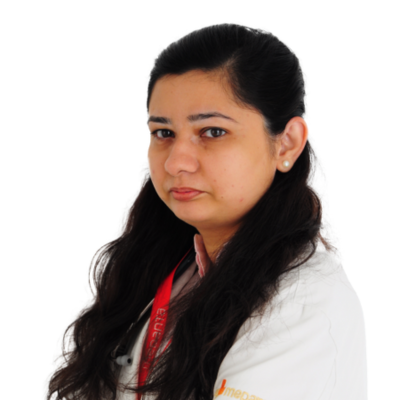
Dr. Neha Rastogi
Senior Consultant
Hematologist, Medical Oncologists
Medanta - The Medicity Medical Centre, Gurgaon
Book Appointment
View Profile
Dr. Kanchan Kaur
Senior Director
Surgical Oncologists
Medanta - The Medicity Medical Centre, Gurgaon
Book Appointment
View Profile
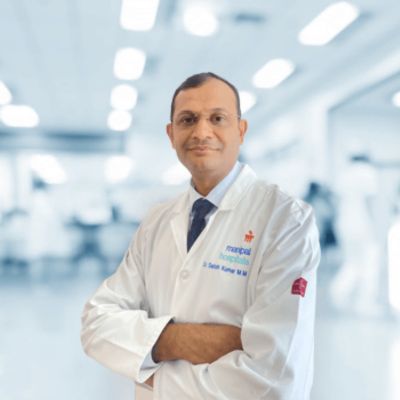
Dr. Satish Kumar A
Consultant
Bone Marrow Transplant Surgeons, Hematologist
Manipal Medical Centre, Millers Road, Bangalore
Book Appointment
View Profile
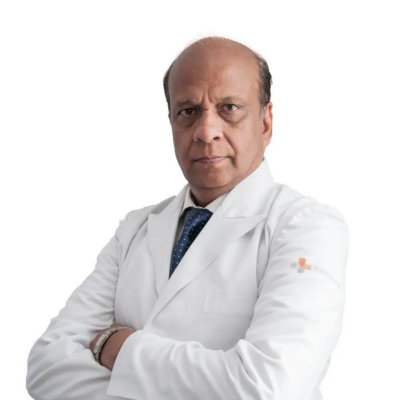
Dr. Rajeev Agarwal
Senior Director
Surgical Oncologists
Medanta - The Medicity Medical Centre, Gurgaon
Book Appointment
View Profile
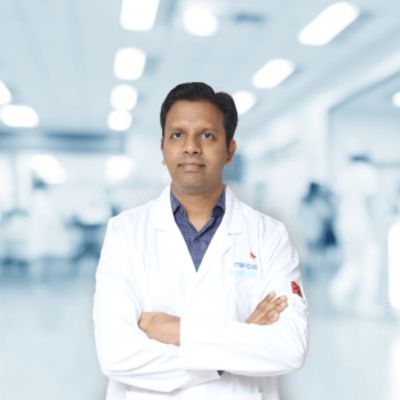
Dr. Suraj Manjunath
Consultant
Surgical Oncologists
Manipal Medical Centre, Millers Road, Bangalore
Book Appointment
View Profile
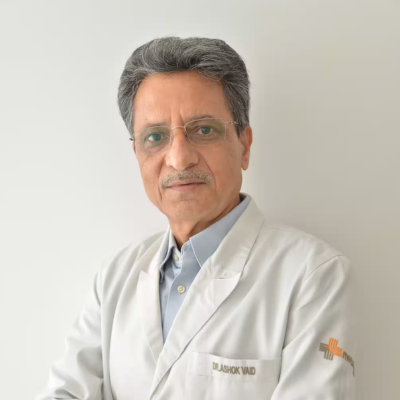
Dr. Ashok Kumar Vaid
Chairman
Medical Oncologists
Medanta - The Medicity Medical Centre, Gurgaon
Book Appointment
View Profile
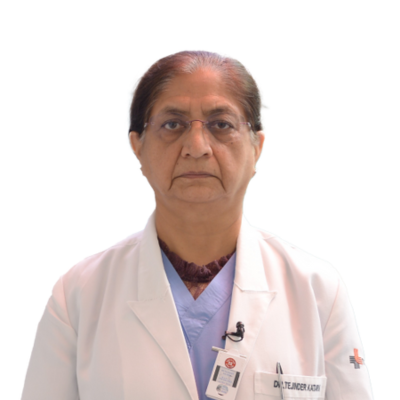
Dr. Tejinder Kataria
Chairperson
Radiation Oncologists
Medanta - The Medicity Medical Centre, Gurgaon
Book Appointment
View Profile
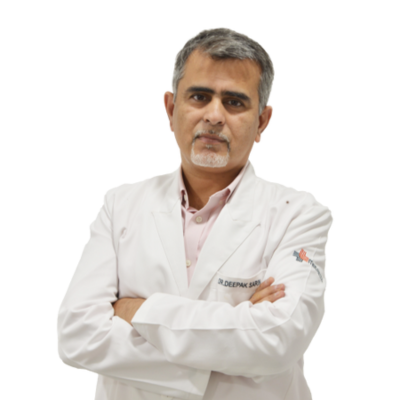
Dr. Deepak Sarin
Vice Chairman
ENT Surgeon, Surgical Oncologists
Medanta - The Medicity Medical Centre, Gurgaon
Book Appointment
View Profile
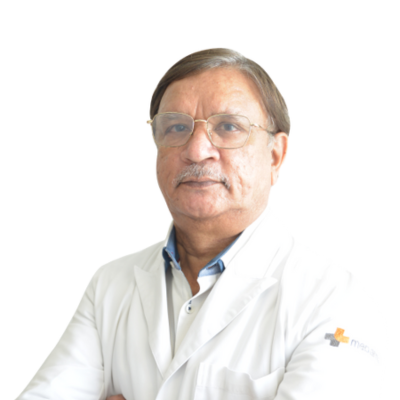
Dr. Satya Pal Kataria
Vice Chairman
Medical Oncologists
Medanta - The Medicity Medical Centre, Gurgaon
Book Appointment
View Profile
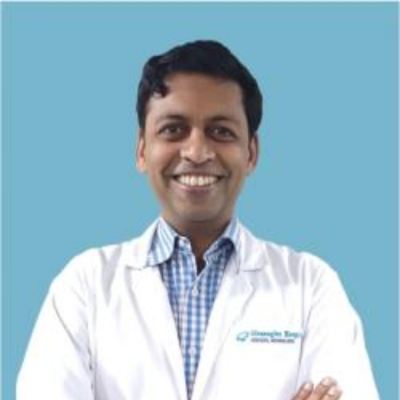
Dr. Rajeev Vijayakumar
Senior Consultant
Bone Marrow Transplant Surgeons, Medical Oncologists
Gleneagles BGS Medical Centre Kengeri, Bengaluru
Book Appointment
View Profile
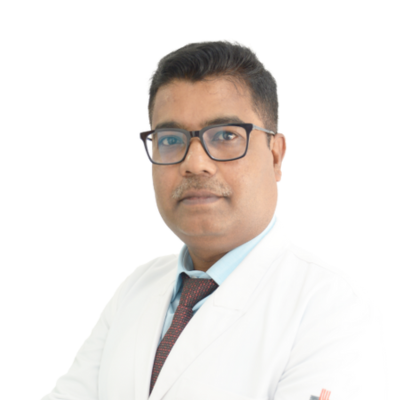
Dr. Kunjahari Medhi
Senior Director
Medical Oncologists
Medanta - The Medicity Medical Centre, Gurgaon
Book Appointment
View Profile
Dr. Mathangi J
Senior Consultant
Radiation Oncologists
Gleneagles BGS Medical Centre Kengeri, Bengaluru
Book Appointment
View Profile
Dr. Shyam Singh Bisht
Associate Director
Radiation Oncologists
Medanta - The Medicity Medical Centre, Gurgaon
Book Appointment
View Profile
Dr. Govind Eriat
Consultant
Bone Marrow Transplant Surgeons, Medical Oncologists
Gleneagles BGS Medical Centre Kengeri, Bengaluru
Book Appointment
View Profile
Dr. K V Gangadharan
Head of Department (HOD)
Medical Oncologists
Aster MIMS, Calicut
Book Appointment
View Profile
Dr. Subin Sugath
Senior Consultant
Surgical Oncologists
Aster MIMS, Calicut
Book Appointment
View Profile
Dr. Kirankumar Sajjanshetty
Consultant
Medical Oncologists
Apollo Medical Centre, Bannerghatta Road, Bangalore
Book Appointment
View Profile
Dr. Amit Dutt Dwary
Consultant
Medical Oncologists
Apollo Gleneagles Medical Centre, Kolkata
Book Appointment
View Profile
Dr. Indranil Ghosh
Consultant
Medical Oncologists
Apollo Gleneagles Medical Centre, Kolkata
Book Appointment
View Profile
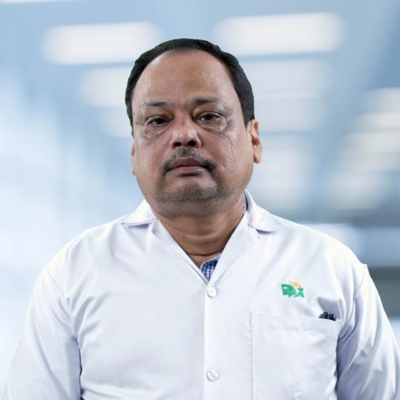
Dr. Prabrajya Narayan Mohapatra
Director
Medical Oncologists
Apollo Gleneagles Medical Centre, Kolkata
Book Appointment
View Profile
Dr. Karthik K Prasad
Consultant
Surgical Oncologists
Gleneagles BGS Medical Centre Kengeri, Bengaluru
Book Appointment
View Profile
Dr. Amar Nath Ghosh
Consultant
Cardiothoracic and Vascular Surgeons
Apollo Gleneagles Medical Centre, Kolkata
Book Appointment
View Profile
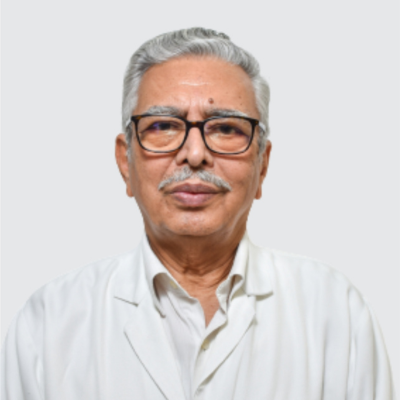
Dr. Subodh Chandra Pande
Head of Department (HOD)
Radiation Oncologists
Artemis Hospital, Gurgaon
Book Appointment
View Profile
Dr. S. Jayalakshmi
Senior Consultant
Radiation Oncologists
BLK-Max Super Speciality Medical Centre, New Delhi
Book Appointment
View Profile
Dr. Abhijit Sarkar
Consultant
Medical Oncologists
IRIS Multispeciality Medical Centre, Kolkata
Book Appointment
View Profile
Dr. Gouri Kumar Prusty
Senior Consultant
Neurologists
Calcutta Medical Research Institute | CK Birla Medical Centres, Kolkata
Book Appointment
View Profile
Dr. Sandip Ganguly
Senior Consultant
Medical Oncologists
Apollo Gleneagles Medical Centre, Kolkata
Book Appointment
View Profile
Dr. Bivas Biswas
Senior Consultant
Medical Oncologists
Apollo Gleneagles Medical Centre, Kolkata
Book Appointment
View Profile
Dr. Joydeep Ghosh
Senior Consultant
Medical Oncologists
Apollo Gleneagles Medical Centre, Kolkata
Book Appointment
View Profile
Dr. Biswajyoti Hazarika
Consultant
Surgical Oncologists
Artemis Hospital, Gurgaon
Book Appointment
View Profile
Dr. Susovan Banerjee
Associate Consultant
Radiation Oncologists
Medanta - The Medicity Medical Centre, Gurgaon
Book Appointment
View Profile
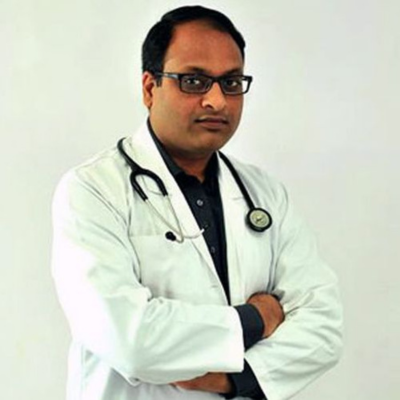
Dr. Deepak Gupta
Senior Consultant
Radiation Oncologists
Medanta - The Medicity Medical Centre, Gurgaon
Book Appointment
View Profile
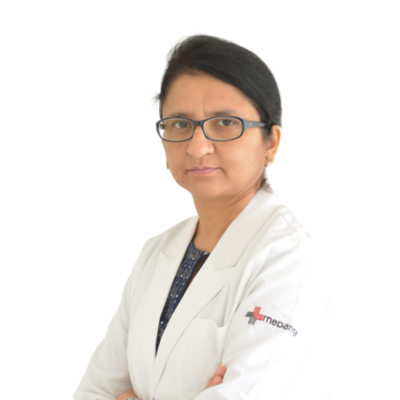
Dr. Pratibha Dhiman
Senior Consultant
Medical Oncologists
Medanta - The Medicity Medical Centre, Gurgaon
Book Appointment
View Profile
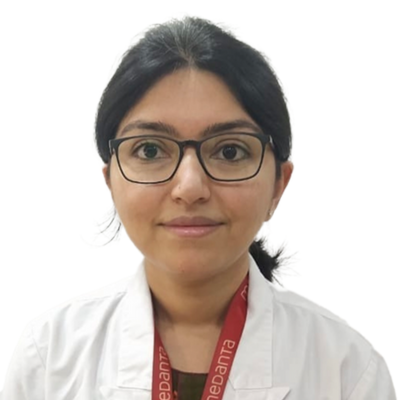
Dr. Dhwanee Thakkar
Senior Consultant
Medical Oncologists
Medanta - The Medicity Medical Centre, Gurgaon
Book Appointment
View Profile
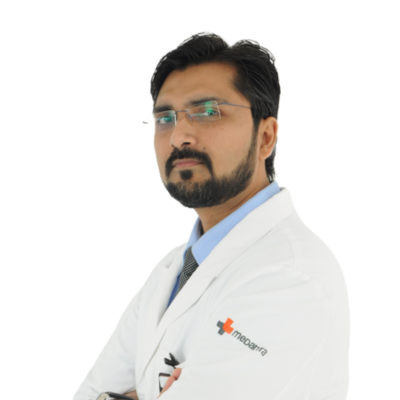
Dr. Gopal Kumar
Consultant
Surgical Oncologists
Medanta - The Medicity Medical Centre, Gurgaon
Book Appointment
View Profile

Dr. Kanika Rana
Consultant
Medical Oncologists
Medanta - The Medicity Medical Centre, Gurgaon
Book Appointment
View Profile
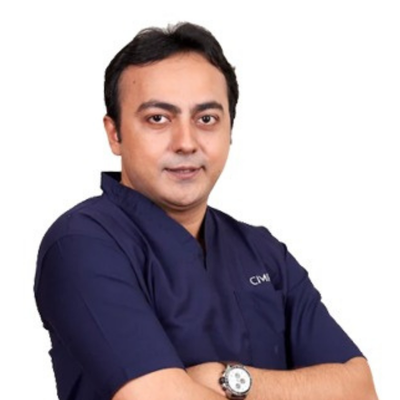
Dr. Indranil Khan
Consultant
Radiation Oncologists
Calcutta Medical Research Institute | CK Birla Medical Centres, Kolkata
Book Appointment
View Profile
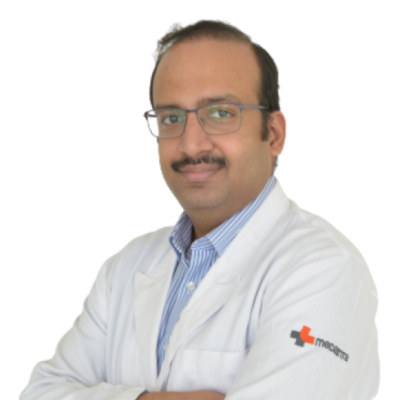
Dr. Karan Gupta
Consultant
Medical Oncologists
Medanta - The Medicity Medical Centre, Gurgaon
Book Appointment
View Profile
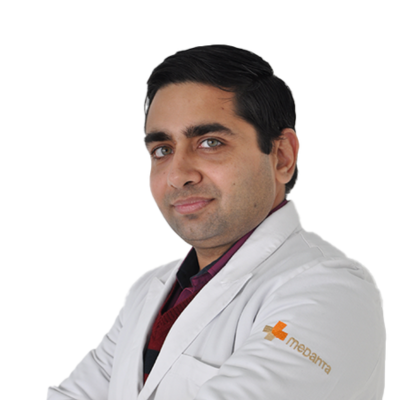
Dr. Kushal Narang
Senior Consultant
Radiation Oncologists
Medanta - The Medicity Medical Centre, Gurgaon
Book Appointment
View Profile
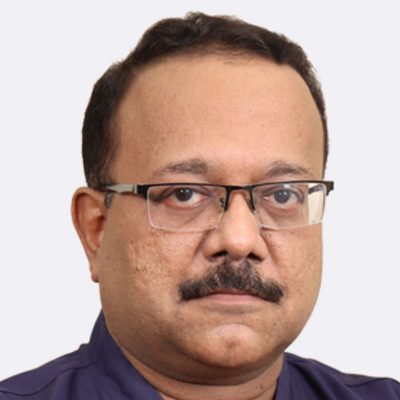
Dr. Sanjay Gupta
Consultant
Surgical Oncologists
Calcutta Medical Research Institute | CK Birla Medical Centres, Kolkata
Book Appointment
View Profile
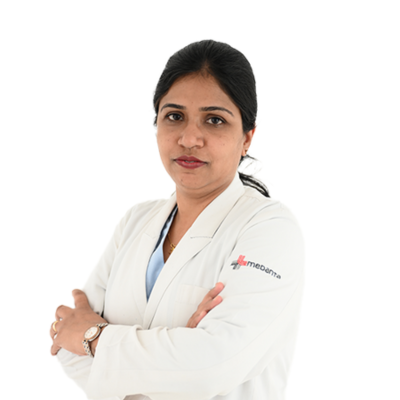
Dr. Manisha Jain
Consultant
Bone Marrow Transplant Surgeons, Hematologist, Medical Oncologists
Medanta - The Medicity Medical Centre, Gurgaon
Book Appointment
View Profile
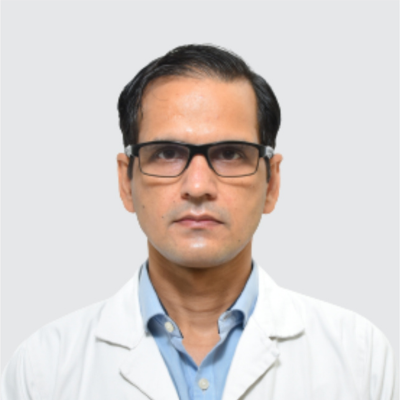
Dr. Praveen Yadav
Senior Consultant
Surgical Oncologists
Artemis Hospital, Gurgaon
Book Appointment
View Profile
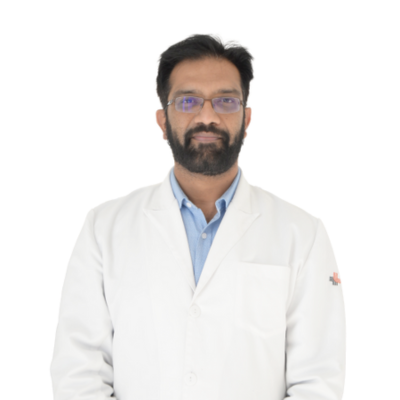
Dr. Mayur Mayank
Consultant
Radiation Oncologists
Medanta - The Medicity Medical Centre, Gurgaon
Book Appointment
View Profile
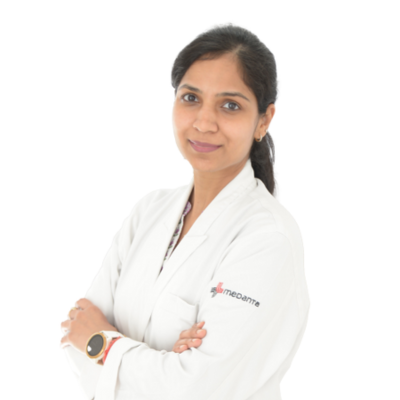
Dr. Shina Goyal
Consultant
Medical Oncologists
Medanta - The Medicity Medical Centre, Gurgaon
Book Appointment
View Profile

Dr. Tejasvini Vaid
Associate Consultant
Medical Oncologists
Medanta - The Medicity Medical Centre, Gurgaon
Book Appointment
View Profile
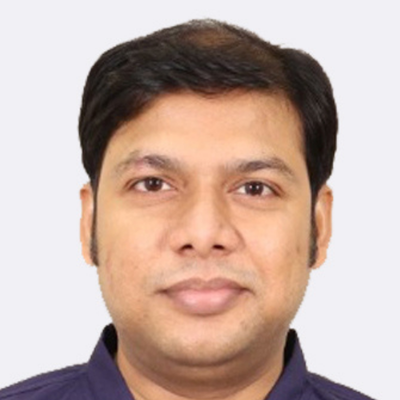
Dr. Syed Hassanujjaman
Senior Consultant
Surgical Oncologists
Calcutta Medical Research Institute | CK Birla Medical Centres, Kolkata
Book Appointment
View Profile
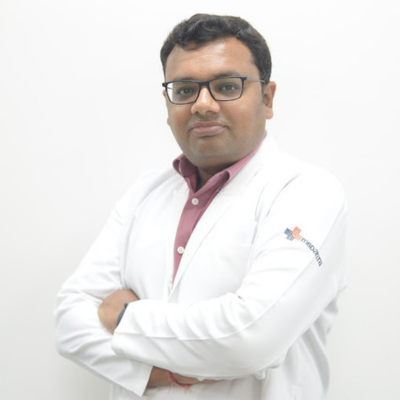
Dr. Ankur Nandan Varshney
Consultant
Medical Oncologists
Medanta - The Medicity Medical Centre, Gurgaon
Book Appointment
View Profile
Dr. Jem Kalathil
Senior Consultant
Surgical Oncologists
Aster Medcity, Kochi
Book Appointment
View Profile
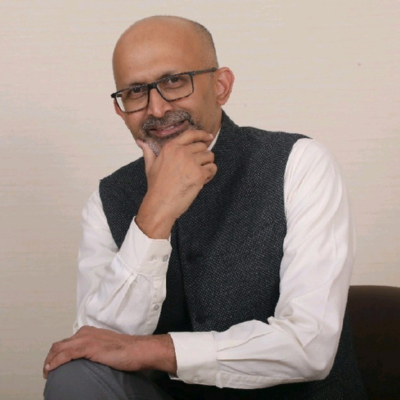
Dr. Sandeep Nayak
Director
Surgical Oncologists
Fortis Medical Centre Bannerghatta Road Bangalore
Book Appointment
View Profile
Dr. Niti Raizada Narang
Senior Director
Surgical Oncologists
Fortis Medical Centre Bannerghatta Road Bangalore
Book Appointment
View Profile
Dr. Shiveta Razdan
Consultant
Surgical Oncologists
Amrita Hospital, Faridabad
Book Appointment
View Profile
Dr. Monika Pansari
Senior Consultant
Surgical Oncologists
Fortis Medical Centre Bannerghatta Road Bangalore
Book Appointment
View Profile
Dr. Prasenjit Chatterjee
Consultant
Radiation Oncologists
Manipal Medical Centre Formerly AMRI Medical Centre, Broadway, Kolkata
Book Appointment
View Profile
Dr. Madhuchanda Kar
Consultant
Medical Oncologists
Manipal Medical Centre Formerly AMRI Medical Centre, Broadway, Kolkata
Book Appointment
View Profile
Dr Sharadwat Mukhopadhyay
Consultant
Radiation Oncologists
Manipal Medical Centre Formerly AMRI Medical Centre, Dhakuria, Kolkata
Book Appointment
View Profile
Dr. Mayuri Rajapurkar
Consultant
Surgical Oncologists
Aster Medcity, Kochi
Book Appointment
View Profile
Dr. Sajith Babu T P
Senior Consultant
Surgical Oncologists
Aster MIMS, Calicut
Book Appointment
View Profile
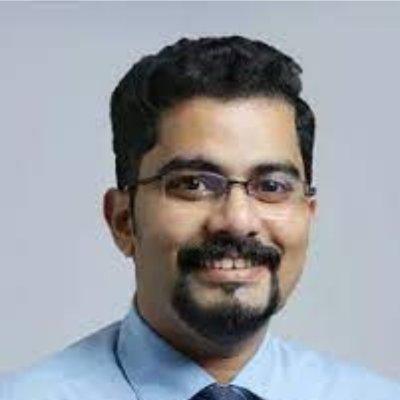
Dr. Ashok Komaranchath
Consultant
Medical Oncologists
Aster Medcity, Kochi
Book Appointment
View Profile
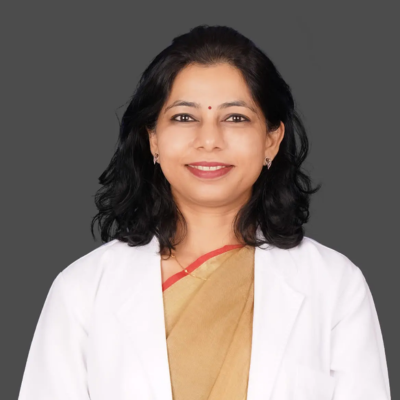
Dr. Saphalta Baghmar
Senior Consultant
Medical Oncologists
Amrita Hospital, Faridabad
Book Appointment
View Profile
Dr. Vivek Belathur
Senior Consultant
Medical Oncologists
Fortis Medical Centre Bannerghatta Road Bangalore
Book Appointment
View Profile
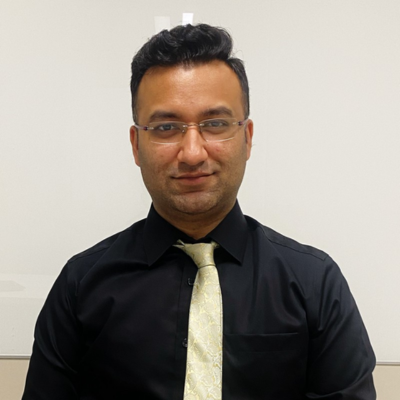
Dr. Rishabh Kumar
Senior Consultant
Radiation Oncologists
Amrita Hospital, Faridabad
Book Appointment
View Profile
Dr. Sidharth Sahni
Senior Consultant
Surgical Oncologists
Fortis Medical Centre, Vasant Kunj, New Delhi
Book Appointment
View Profile
Dr. Bharath G
Consultant
Surgical Oncologists
Fortis Medical Centre Bannerghatta Road Bangalore
Book Appointment
View Profile
Dr. Amit Bhargava
Consultant
Medical Oncologists
Fortis Medical Centre, Vasant Kunj, New Delhi
Book Appointment
View Profile
Dr. Manav Suryavanshi
Head of Department (HOD)
Kidney Transplant Surgeons, Uro-oncologist, Urologist
Amrita Hospital, Faridabad
Book Appointment
View Profile
Dr. Dinesh Balakrishnan
Associate Professor
Liver Transplant Surgeons, Surgical Gastroenterologists, Surgical Oncologists
Amrita Hospital, Faridabad
Book Appointment
View Profile
Dr. Amish Chaudhary
Director
Surgical Oncologists
Fortis Medical Centre, Vasant Kunj, New Delhi
Book Appointment
View Profile

Dr. Bhaskar Viswanathan
Head of Department (HOD)
Radiation Oncologists
Amrita Hospital, Faridabad
Book Appointment
View Profile
Dr. Ankur Pruthi
Head of Department (HOD)
Nuclear Medicine
Manipal Medical Centre, Dwarka, Delhi
Book Appointment
View Profile
Dr. Hemant B. Tongaonkar
Director
Surgical Oncologists
Nanavati-Max Super Speciality Medical Centre, Mumbai
Book Appointment
View Profile

Dr. Pravas Mishra
Head of Department (HOD)
Bone Marrow Transplant Surgeons, Hematologist, Medical Oncologists
Amrita Hospital, Faridabad
Book Appointment
View Profile
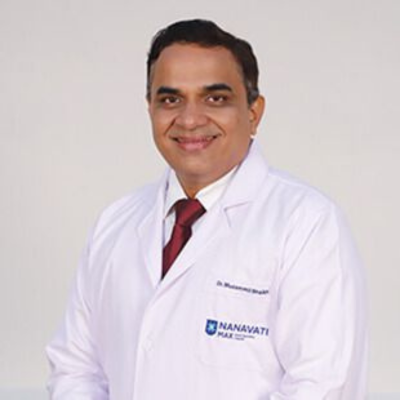
Dr. Muzammil Shaikh
Director
Medical Oncologists
Nanavati-Max Super Speciality Medical Centre, Mumbai
Book Appointment
View Profile
Dr. Priya Tiwari
Head of Department (HOD)
Medical Oncologists
Artemis Hospital, Gurgaon
Book Appointment
View Profile
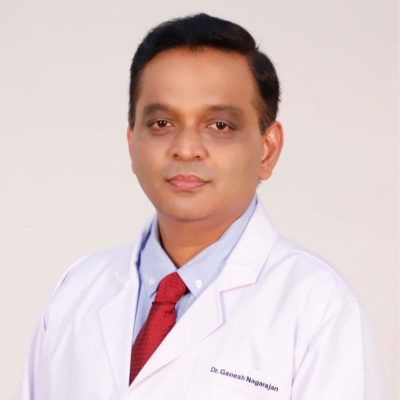
Dr. Ganesh Nagarajan
Director
Surgical Oncologists
Nanavati-Max Super Speciality Medical Centre, Mumbai
Book Appointment
View Profile
Dr. Mukesh Patekar
Head of Department (HOD)
Medical Oncologists
Artemis Hospital, Gurgaon
Book Appointment
View Profile

Dr. Anusheel Munshi
Head of Department (HOD)
Radiation Oncologists
Manipal Medical Centre, Dwarka, Delhi
Book Appointment
View Profile

Dr. Peyush Bajpai
Head of Department (HOD)
Medical Oncologists
Manipal Medical Centre, Dwarka, Delhi
Book Appointment
View Profile

Dr. Anadi Pachaury
Consultant
Surgical Oncologists
Manipal Medical Centre, Dwarka, Delhi
Book Appointment
View Profile
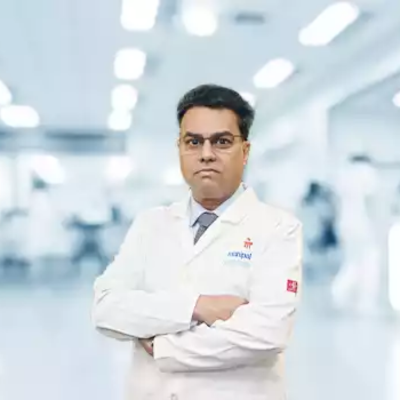
Dr. Chanchal Goswami
Consultant
Radiation Oncologists
Manipal Medical Centre Formerly AMRI Medical Centre, Dhakuria, Kolkata
Book Appointment
View Profile
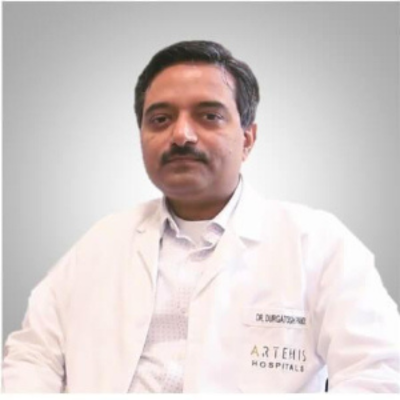
Dr. Durgatosh Pandey
Head of Department (HOD)
Surgical Oncologists
Manipal Medical Centre, Dwarka, Delhi
Book Appointment
View Profile
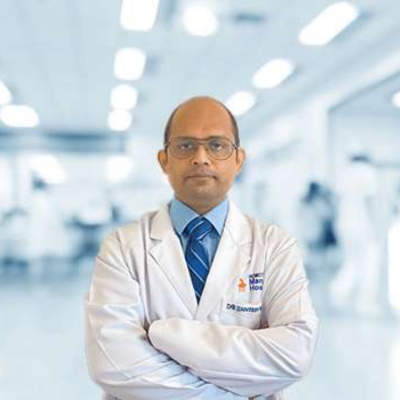
Dr. Sanjeev Kumar
Consultant
Surgical Oncologists
Manipal Medical Centre Formerly Columbia Asia, Palam Vihar, Gurgaon
Book Appointment
View Profile
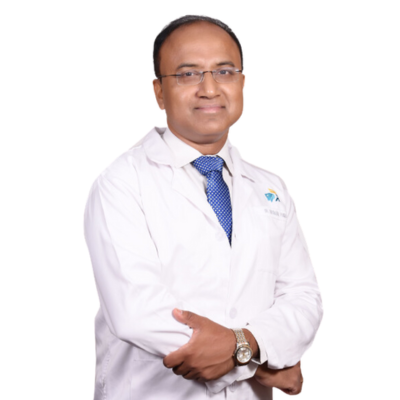
Dr. Dipanjan Panda
Senior Consultant
Medical Oncologists
Indraprastha Apollo Medical Centre, New Delhi
Book Appointment
View Profile
Dr. P K Das
Senior Consultant
Medical Oncologists
Indraprastha Apollo Medical Centre, New Delhi
Book Appointment
View Profile
Dr. Rayaz Ahmed
Senior Director
Bone Marrow Transplant Surgeons, Medical Oncologists
Max Super Speciality Medical Centre, Saket, New Delhi
Book Appointment
View Profile
Dr. Harsh Dua
Senior Consultant
Medical Oncologists
Indraprastha Apollo Medical Centre, New Delhi
Book Appointment
View Profile
Dr. Ramesh Sarin
Senior Consultant
Surgical Oncologists
Indraprastha Apollo Medical Centre, New Delhi
Book Appointment
View Profile
Dr. Amit Agarwal
Consultant
Medical Oncologists
Fortis Medical Centre, Vasant Kunj, New Delhi
Book Appointment
View Profile
Dr. Ganesh Jadhav
Senior Consultant
Radiation Oncologists
Indraprastha Apollo Medical Centre, New Delhi
Book Appointment
View Profile
Dr. Bhawana Saddy Awasthy
Consultant
Medical Oncologists
Fortis Medical Centre, Vasant Kunj, New Delhi
Book Appointment
View Profile
Dr. Sapna Manocha Verma
Senior Consultant
Radiation Oncologists
Indraprastha Apollo Medical Centre, New Delhi
Book Appointment
View Profile
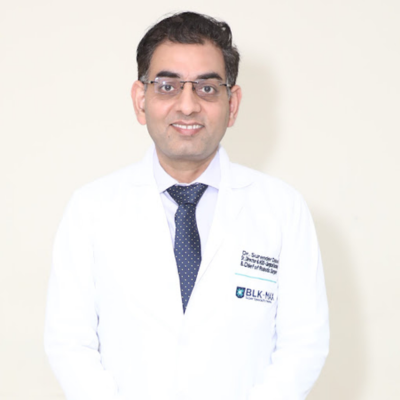
Dr. Surender Kumar Dabas
Vice Chairman
Surgical Oncologists
BLK-Max Super Speciality Medical Centre, New Delhi
Book Appointment
View Profile
Dr. Senthil Kumar
Director
Surgical Oncologists
MIOT International, Chennai
Book Appointment
View Profile
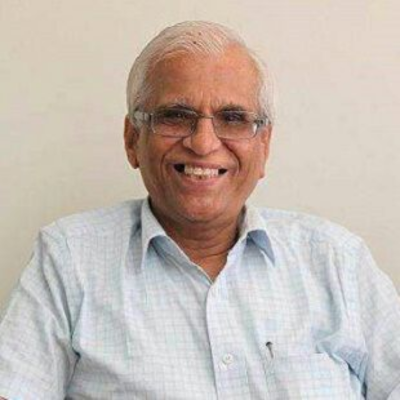
Dr. Prof Suresh H Advani
Senior Consultant
Medical Oncologists
Nanavati-Max Super Speciality Medical Centre, Mumbai
Book Appointment
View Profile
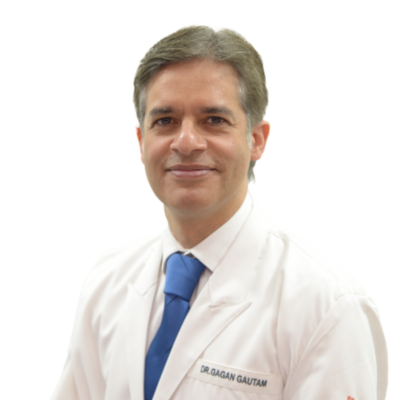
Dr. Gagan Gautam
Vice Chairman
Robotic Urologist, Surgical Oncologists, Uro-oncologist, Urologist
Medanta - The Medicity Medical Centre, Gurgaon
Book Appointment
View Profile
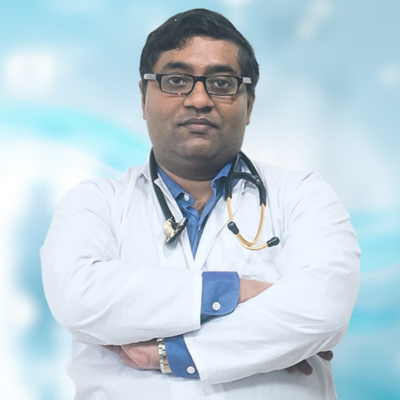
Dr. Tanmoy Kumar Mandal
Senior Consultant
Medical Oncologists
Manipal Medical Centre Formerly AMRI Medical Centre, Dhakuria, Kolkata
Book Appointment
View Profile
Dr. Maitreyee Bhattacharya
Consultant
Hematologist
Manipal Medical Centre Formerly AMRI Medical Centre, Dhakuria, Kolkata
Book Appointment
View Profile
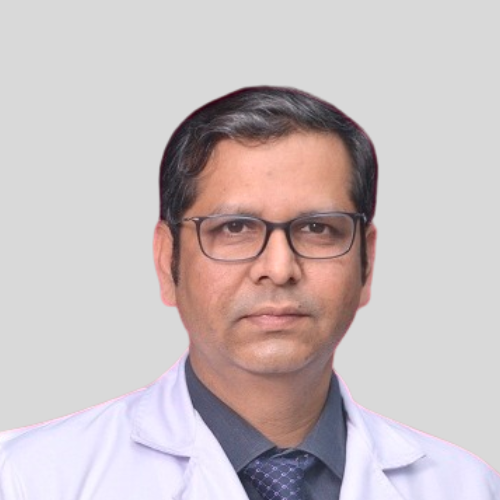
Dr. Arun Kumar Giri
Director
Surgical Oncologists
Aakash Healthcare Super Speciality Medical Centre, Dwarka, New Delhi
Book Appointment
View Profile
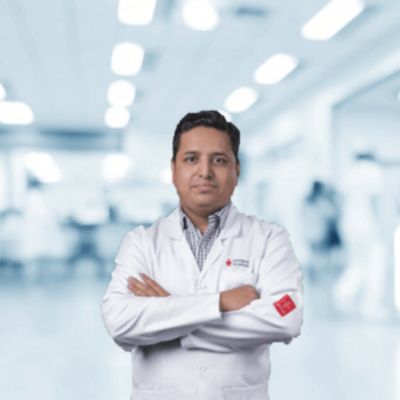
Dr. Deepak Kumar Shukla
Consultant
Medical Oncologists
Manipal Hospital, Jaipur
Book Appointment
View Profile
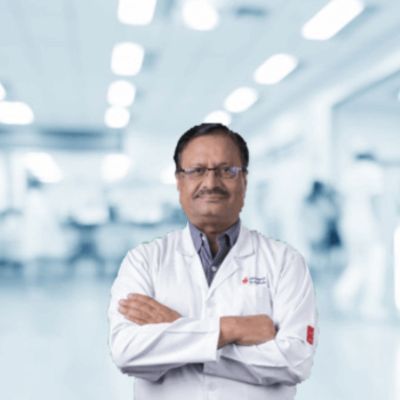
Dr. Dinesh Kumar Mangal
Consultant
Radiation Oncologists
Manipal Hospital, Jaipur
Book Appointment
View Profile
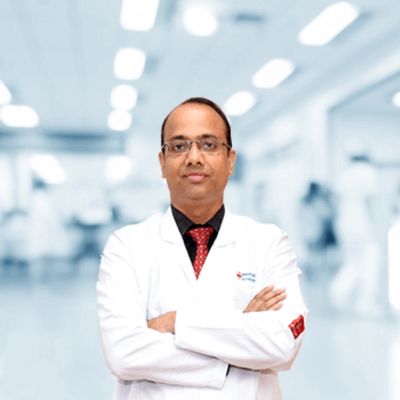
Dr. Lalit Sarma
Consultant
Medical Oncologists
Manipal Hospital, Jaipur
Book Appointment
View Profile
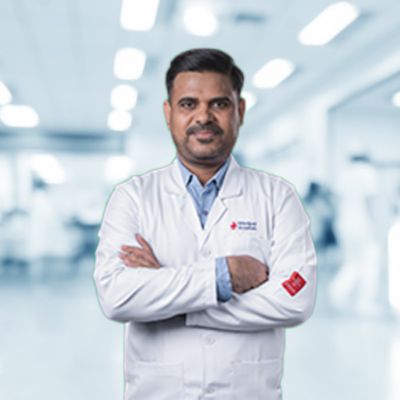
Dr. Vijay Yadav
Consultant
Surgical Oncologists
Manipal Hospital, Jaipur
Book Appointment
View Profile
Dr. Preeti Vijayakumaran
Consultant
Surgical Oncologists
Manipal Medical Centre Formerly Columbia Asia, Palam Vihar, Gurgaon
Book Appointment
View Profile
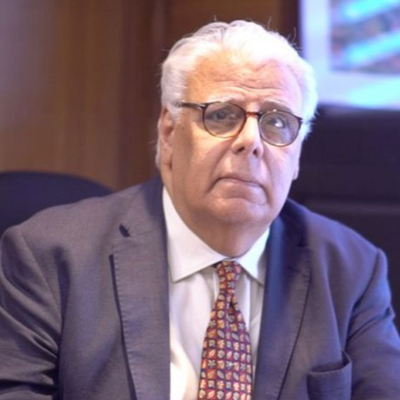
Dr. Vinod Raina
Chairman
Medical Oncologists
Fortis Memorial Research Institute (FMRI), Gurgaon
Book Appointment
View Profile
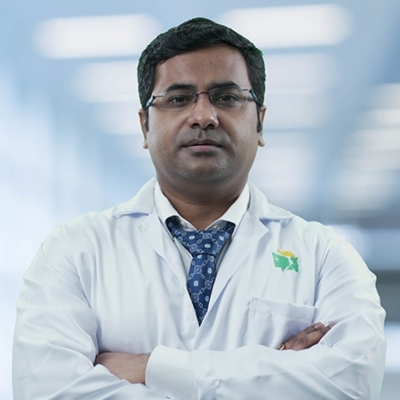
Dr. Animesh Saha
Senior Consultant
Medical Oncologists, Radiation Oncologists
Apollo Gleneagles Medical Centre, Kolkata
Book Appointment
View Profile
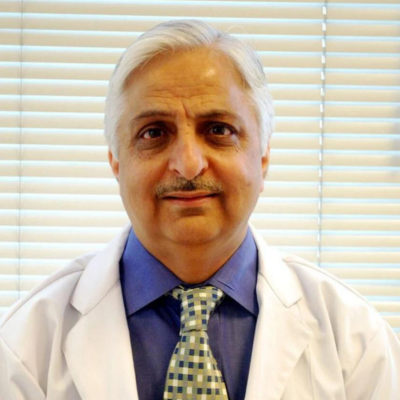
Dr. Anil Kumar Anand
Senior Director
Radiation Oncologists
Fortis Memorial Research Institute (FMRI), Gurgaon
Book Appointment
View Profile
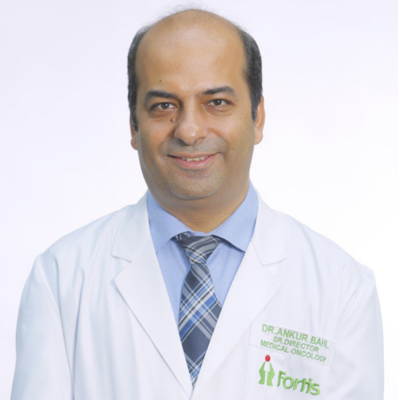
Dr. Ankur BAHL
Senior Director
Medical Oncologists
Fortis Memorial Research Institute (FMRI), Gurgaon
Book Appointment
View Profile
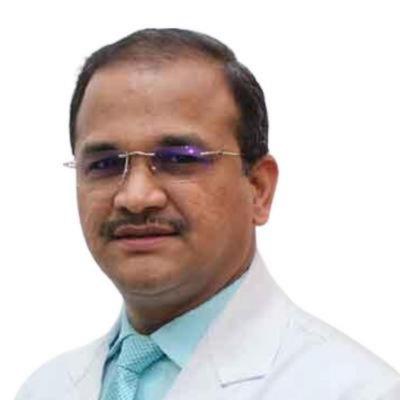
Dr. B. Niranjan Naik
Senior Director
Surgical Oncologists
Fortis Memorial Research Institute (FMRI), Gurgaon
Book Appointment
View Profile
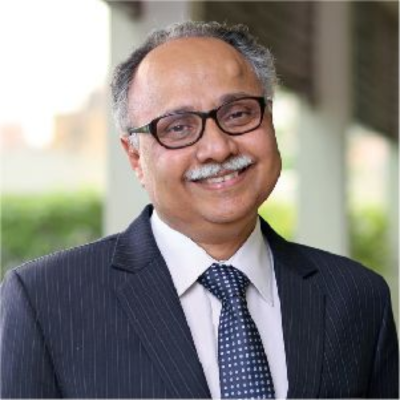
Dr. Harit Chaturvedi
Chairman
Surgical Oncologists
Max Super Speciality Medical Centre, Saket, New Delhi
Book Appointment
View Profile
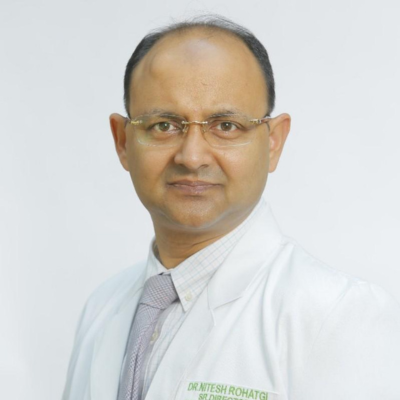
Dr. Nitesh Rohatgi
Senior Director
Medical Oncologists
Fortis Memorial Research Institute (FMRI), Gurgaon
Book Appointment
View Profile
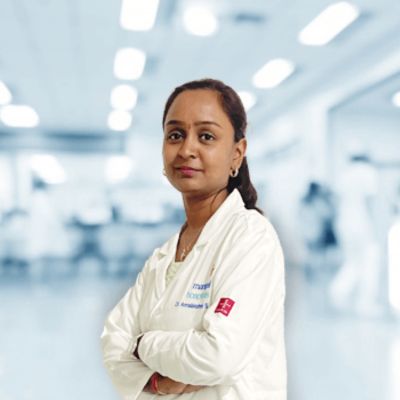
Dr. Anna Lakshmi S
Consultant
Medical Oncologists
Manipal Medical Centre, Millers Road, Bangalore
Book Appointment
View Profile
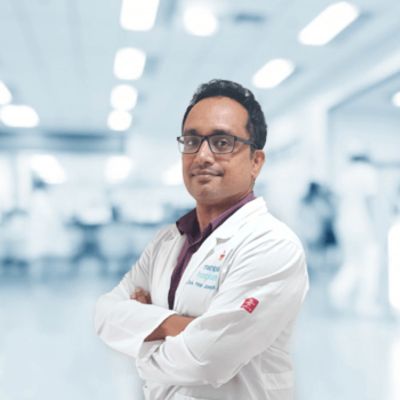
Dr. Elvis Peter Joseph
Consultant
Surgical Oncologists
Manipal Medical Centre, Millers Road, Bangalore
Book Appointment
View Profile
Dr. Mohammed Basheeruddin Inamdar
Consultant
Surgical Oncologists
Manipal Medical Centre, Millers Road, Bangalore
Book Appointment
View Profile
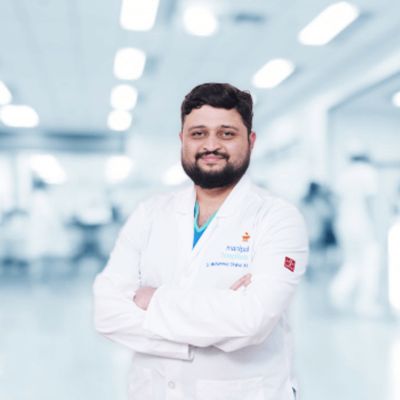
Dr. Mohammed Shahid Ali
Consultant
Surgical Oncologists, Urologist
Manipal Medical Centre, Millers Road, Bangalore
Book Appointment
View Profile
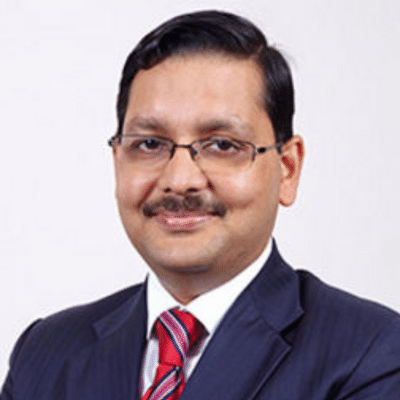
Dr. Vedant Kabra
Principal Consultant
Surgical Oncologists
Fortis Memorial Research Institute (FMRI), Gurgaon
Book Appointment
View Profile
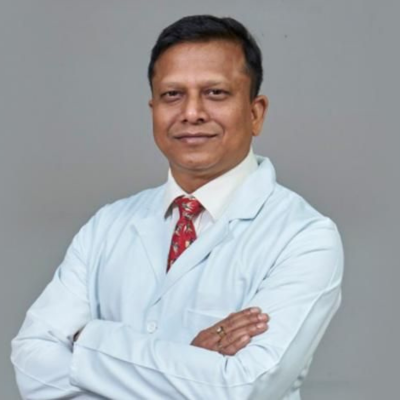
Dr. Amal Roy Chaudhoory
Director
Radiation Oncologists
Fortis Memorial Research Institute (FMRI), Gurgaon
Book Appointment
View Profile
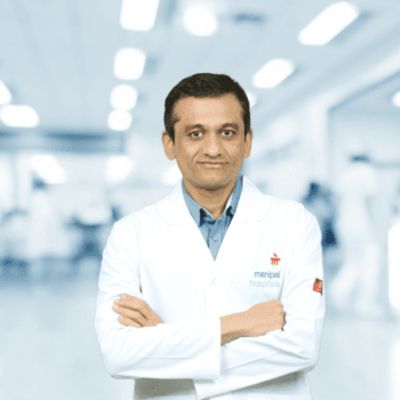
Dr. Neelesh Reddy
Consultant
Medical Oncologists
Manipal Medical Centre, Millers Road, Bangalore
Book Appointment
View Profile
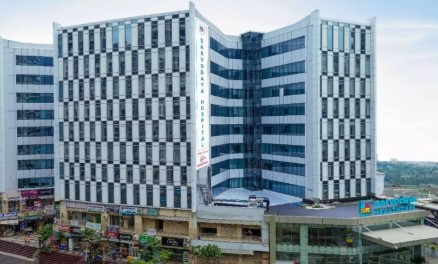
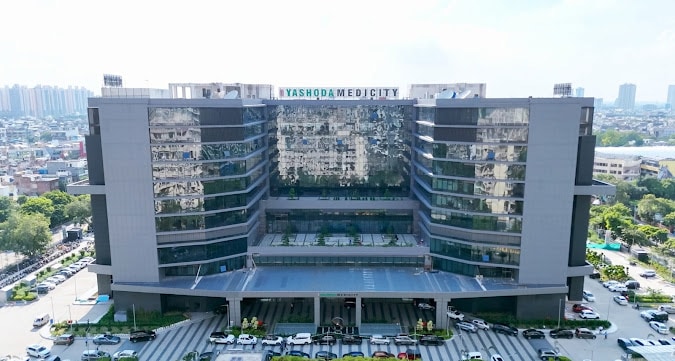
Hospitals




Schedule a Visit
Schedule your appointment quickly and conveniently online.


